
Assahafa.com
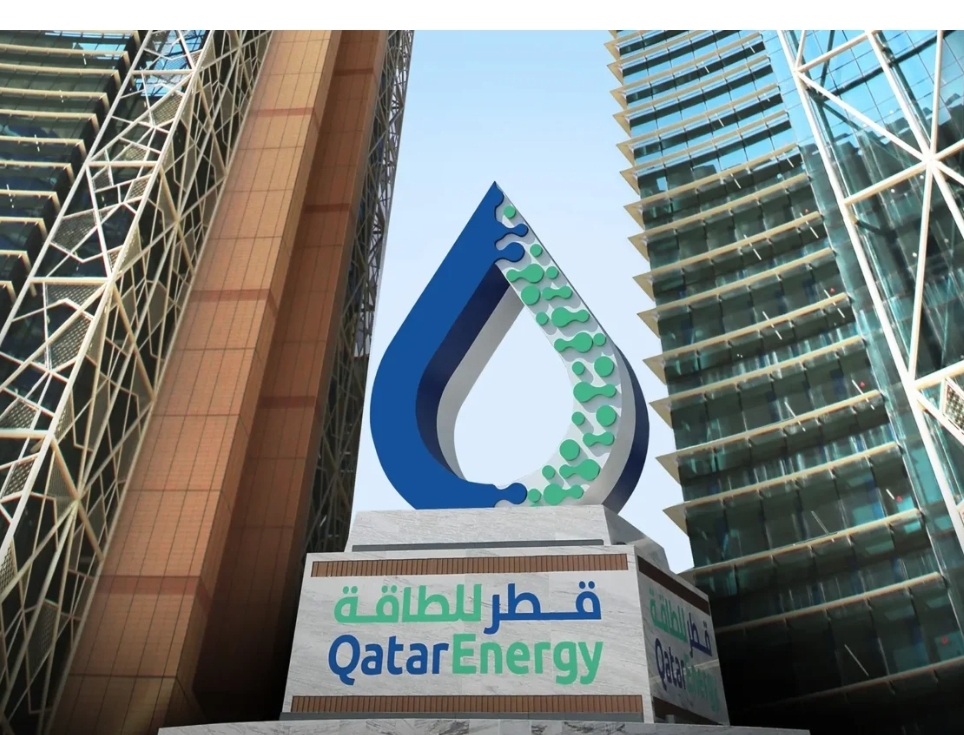
QatarEnergy suspended liquefied natural gas production on Monday after Iranian drones struck facilities at the country’s two main gas processing bases, sending European gas prices soaring by as much as 50%.
The state-run firm, which accounts for nearly a fifth of global LNG exports, ceased operations at its Ras Laffan and Mesaieed industrial complexes. “Due to military attacks on QatarEnergy’s operating facilities in Ras Laffan Industrial City and Mesaieed Industrial City, QatarEnergy has ceased production of liquefied natural gas and associated products,” the company said in a statement.
Qatar’s Defence Ministry confirmed two Iranian drones had targeted the sites. One hit an energy facility in Ras Laffan Industrial City, located 80 kilometers north of Doha. The other struck a water tank at a power plant in Mesaieed, 40 kilometers south of the capital. No casualties were reported.
Ras Laffan hosts Qatar’s 77 million tonne per year LNG export terminal, the world’s largest. The complex also operates LPG, ethane, sulphur, and NGL production units.
The production halt triggered immediate turmoil across energy markets. Benchmark Dutch TTF natural gas futures climbed 49.1% to €47.65 per megawatt hour by early afternoon. UK natural gas futures for April delivery rose 45.6% to 113.44 pence per therm. Oil prices surged as much as 13% to above $82 a barrel, the highest since January 2025.
Goldman Sachs warned that a one-month closure of the Strait of Hormuz could push European gas prices toward €74 per megawatt hour. A disruption lasting longer than two months could send prices above €100 per megawatt hour, the bank projected.
The shock extended beyond Qatar. Saudi Arabia shut its 550,000 barrels per day Ras Tanura refinery after two drones were intercepted at the facility. Debris caused a limited fire, but no casualties were reported. The Saudi energy ministry described the shutdown as a precautionary measure.
In Iraqi Kurdistan, companies including DNO, Gulf Keystone Petroleum, Dana Gas, and HKN Energy halted output at their fields. Offshore Israel, the government instructed Chevron to temporarily shut down the giant Leviathan gas field.
Tanker traffic through the Strait of Hormuz, which carries about 20% of global oil supply and 80 million tonnes of LNG annually, ground to a near halt over the weekend. Three oil tankers sustained damage in the area.
Europe’s vulnerability is compounded by low gas storage levels, currently below 30% capacity. Germany’s storage facilities stood at 20.5%, while France’s were at 21%, according to Gas Infrastructure Europe data.
Analysts noted that even though most Qatari LNG is destined for Asian buyers, disruptions ripple across all major markets. If Asian supplies are cut, buyers there would seek alternatives, intensifying global competition for LNG.
The US, Bahrain, Jordan, Kuwait, Qatar, Saudi Arabia, and the UAE issued a joint statement condemning Iran’s attacks and affirming their right to self-defence. Saudi Arabia warned it would take all necessary measures to defend its territory.
Shiptracking data showed three LNG carriers were berthed at Ras Laffan on Monday. No LNG carriers have transited the Strait of Hormuz since the conflict erupted on Saturday.
Source: Morocco word news