
Assahafa.com
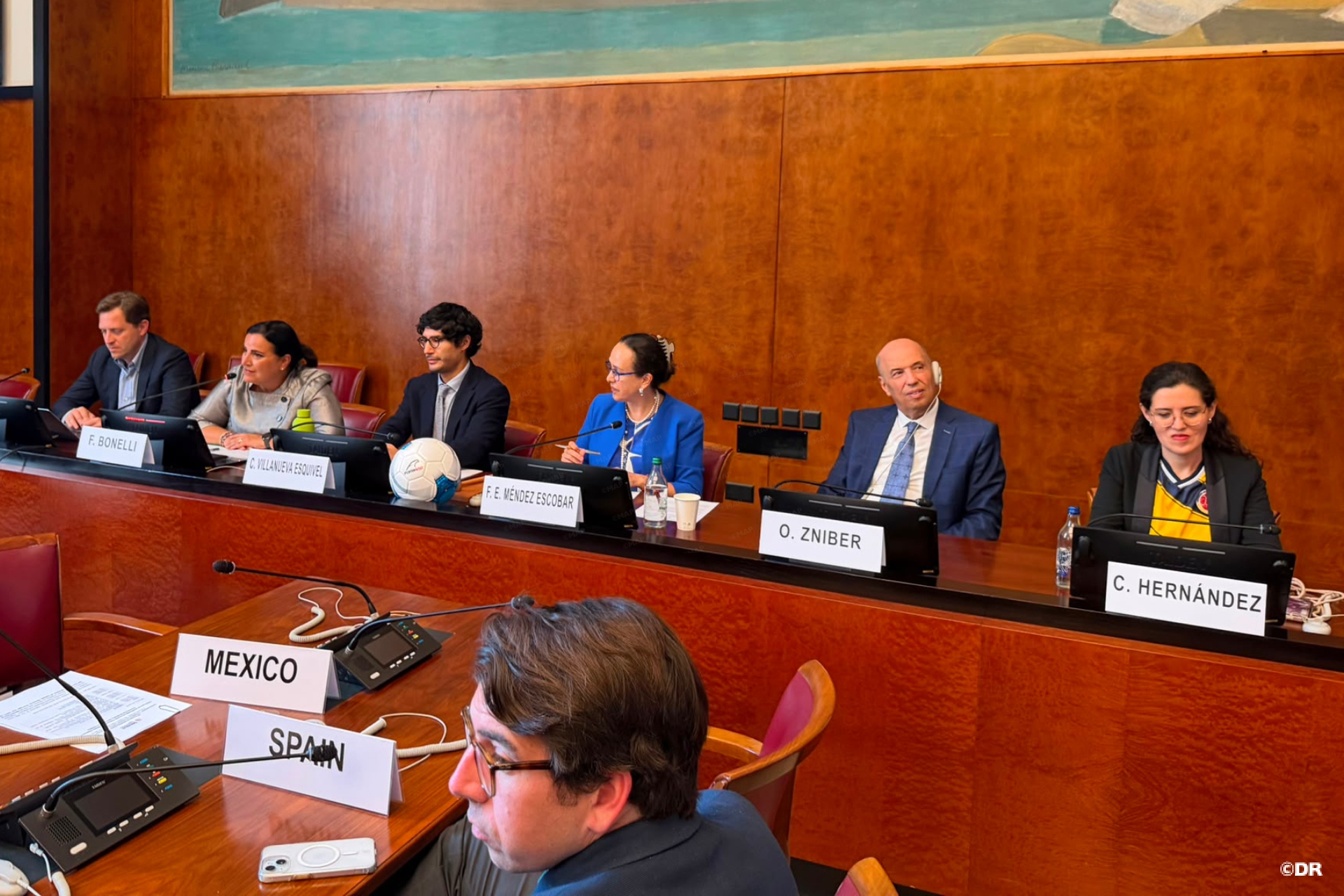
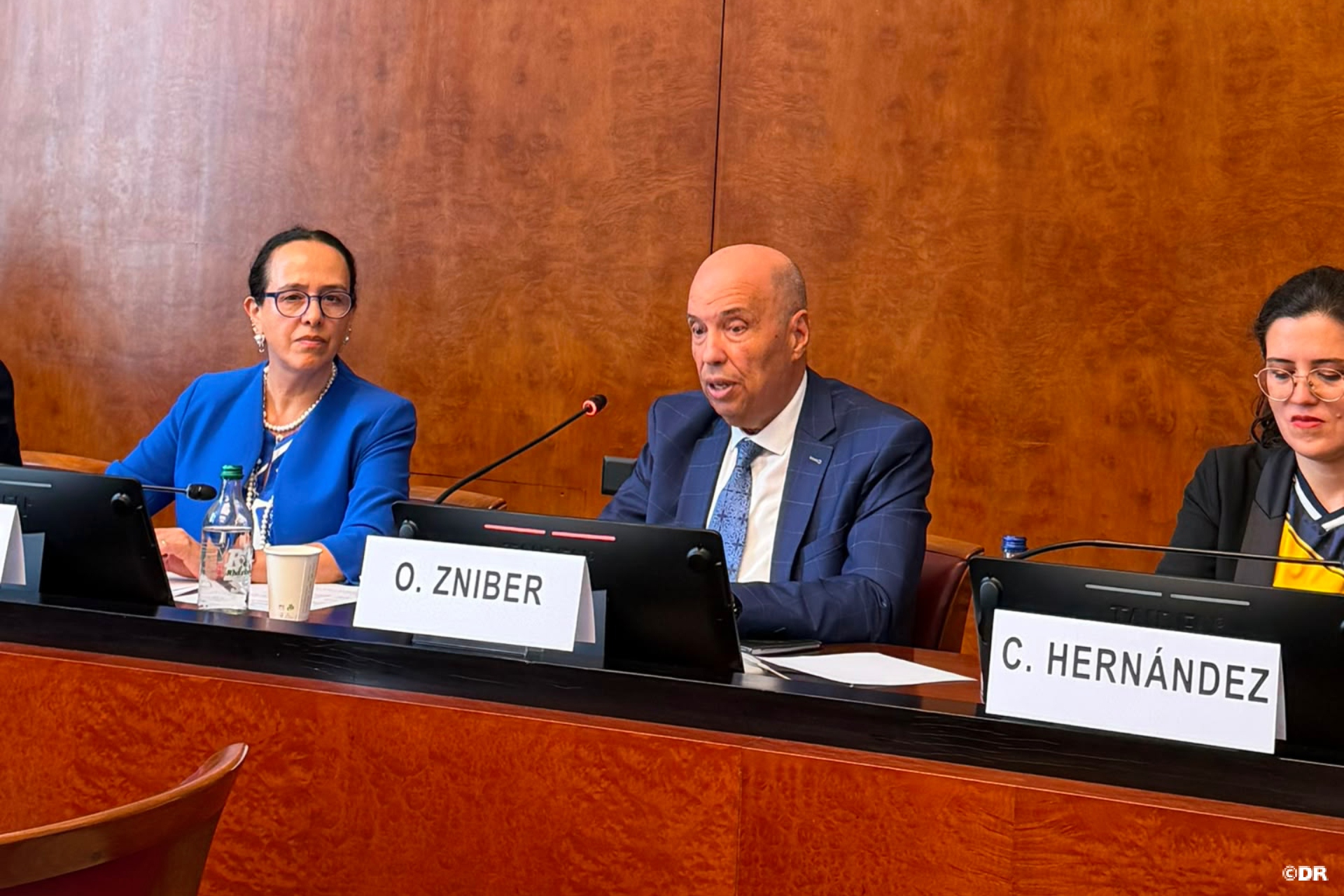
Morocco called on Tuesday in Geneva for an integrated approach to the inclusion of refugees and migrants, placing football at the center of social cohesion policies and efforts to combat xenophobia, during a side event held on the margins of the 62nd session of the Human Rights Council (HRC).
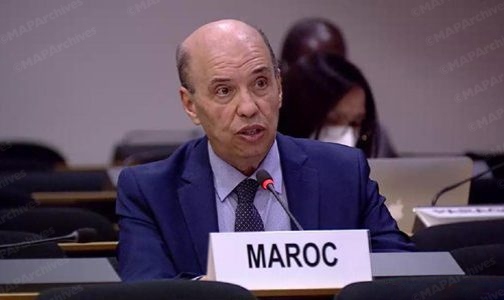
Speaking at the meeting, organized by Mexico on the occasion of the 2026 FIFA World Cup, which it is co-hosting with the United States and Canada, Morocco’s Permanent Representative to the United Nations in Geneva, Ambassador Omar Zniber, said that “football is more than just a game,” highlighting the sport’s ability to create spaces for sharing based on “shared rules, shared effort, and shared emotions.”
On the pitch, he noted, “nationality, language, and legal status fade behind teamwork, trust, and discipline,” making football a tool that can transform “strangers into teammates” and vulnerability into belonging.
The diplomat also emphasized the concrete contributions of sport to inclusion policies, recalling that UN agency research shows that participation in sports activities contributes to the well-being of refugees and facilitates their social and professional integration.
He noted in particular that migrants involved in sports programs are more likely to develop social networks and strengthen their integration into host communities.
For Morocco, football thus represents a “transversal lever” of migration governance, Zniber stressed, noting that the sport helps to “accelerate inclusion, protect the vulnerable, empower youth” and strengthen ties with diasporas, while also carrying “the most effective counter-narrative against xenophobia and politics of fear.”
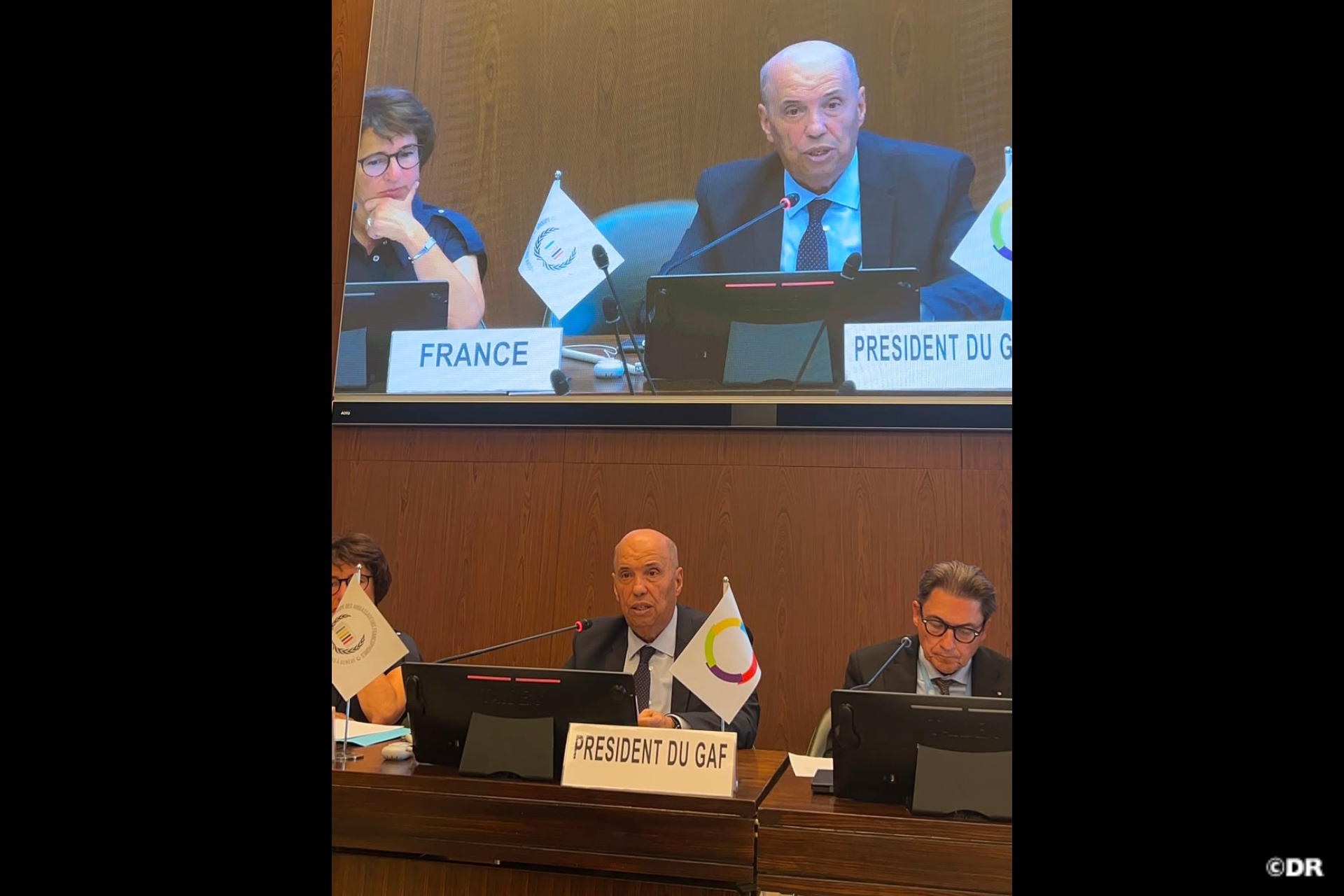
In this regard, the ambassador recalled the launch by Morocco in Geneva, together with the International Organization for Migration (IOM), of the Group of Friends of Sport and Migration, aimed at fostering dialogue among states and promoting the integration of sport into public policies.
“This initiative is part of a broader effort to give sport a concrete place in public policy, not as a substitute for rights and services, but as a powerful complement to them,” he said.
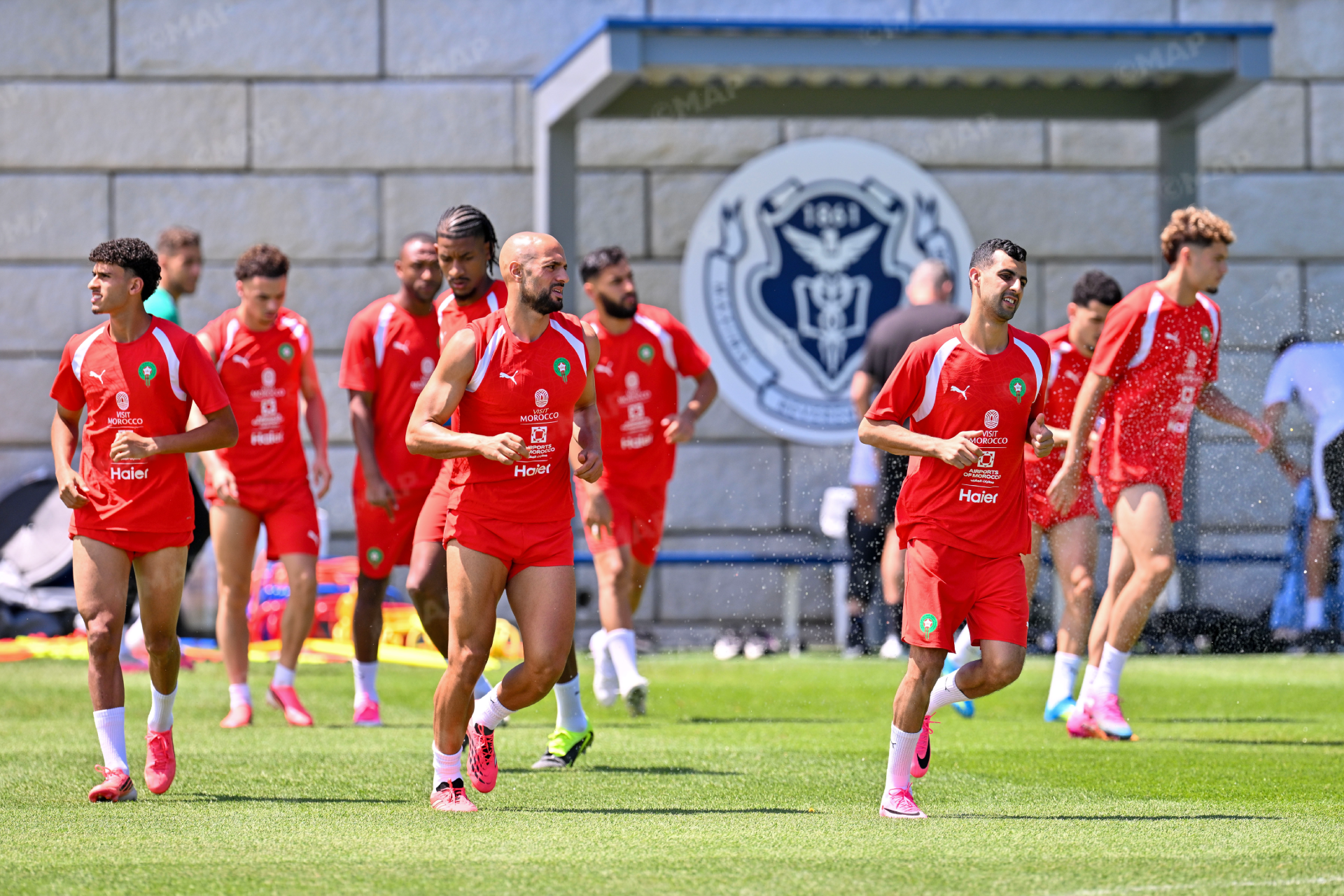
Looking ahead to the 2030 FIFA World Cup, which Morocco will co-host with Spain and Portugal, the ambassador said the tournament will be “one of bridges between continents, communities, and generations” and will illustrate football’s capacity to “build more inclusive societies long after the final whistle.”
Held under the theme “Football as an Inclusion Tool for Refugees and Migrants,” the side event brought together, in addition to Morocco, representatives from Mexico, Canada, Spain, Portugal, the United Nations High Commissioner for Refugees (UNHCR), the Office of the High Commissioner for Human Rights (OHCHR), and the Centre for Sport and Human Rights, as well as the Special Rapporteur on the human rights of migrants.
The event is part of a broader reflection on the role of football in social inclusion and in promoting cohesion among migrants, refugees, and host communities.
According to the organizers, the discussions aimed in particular to promote solidarity and positive narratives about migrants’ contributions, strengthen trust and dialogue between different communities, and encourage the sharing of best practices and cooperation between states and international organizations.
Source: map