
Assahafa.com
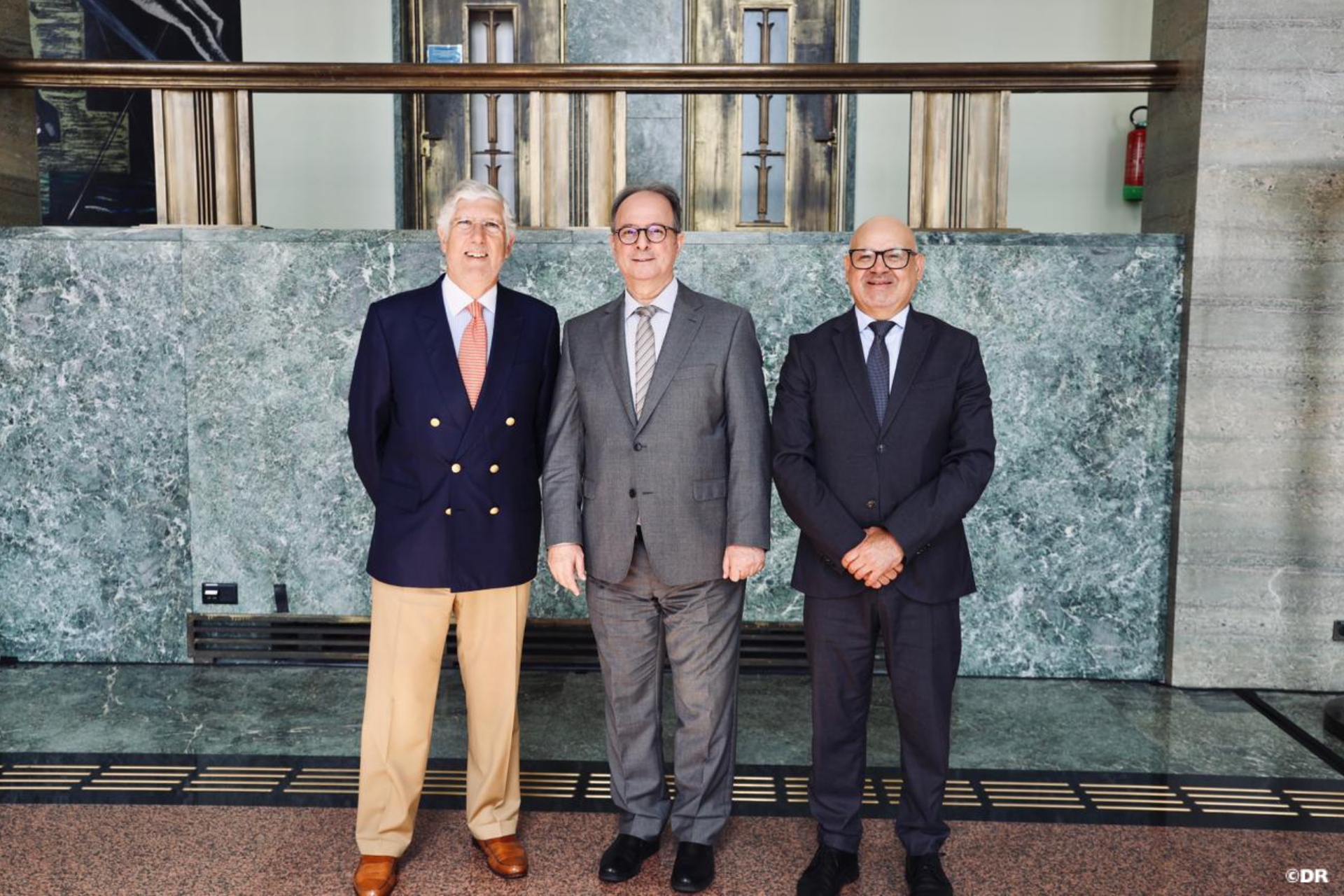
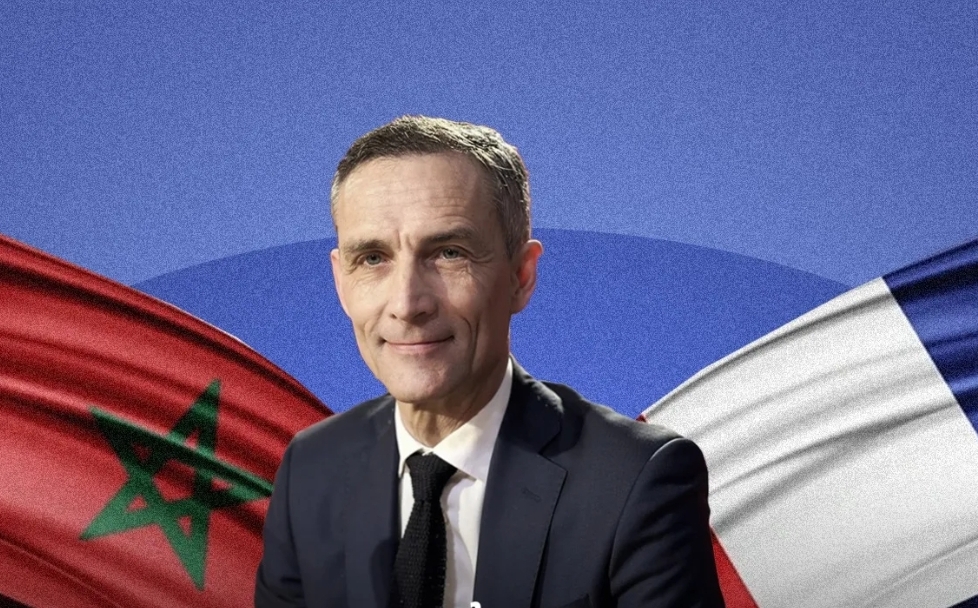
After weeks of speculation, Philippe Lalliot has been formally appointed as France’s ambassador extraordinary and plenipotentiary to Morocco.
A presidential decree signed on May 15 by Emmanuel Macron and published in the French Official Gazette on May 16 confirmed the nomination, ending a transition period that began when his predecessor, Christophe Lecourtier, was tapped to lead the French Development Agency (AFD).
Countersigned by Prime Minister Sébastien Lecornu and Foreign Minister Jean-Noël Barrot, the decree designates Lalliot, a senior state administrator, as the head of France’s diplomatic mission in Rabat.
The appointment had been widely anticipated since late April, when Africa Intelligence first reported that Macron had validated Lalliot’s name as the next envoy to Rabat.
The outlet described him as a career product of the Quai d’Orsay, noting he would be tasked with finalizing the bilateral “friendship treaty” between France and Morocco. Earlier this month, the same publication confirmed that Lalliot would officially assume his post by the end of May.
Lalliot arrives in Rabat at a pivotal moment in Franco-Moroccan relations. His predecessor, Lecourtier, formally took up his new position as director general of the AFD on May 11, following a presidential decree published on April 16.
Lecourtier’s tenure as ambassador, which began in December 2022, coincided with the slow return of warmth between Rabat and Paris and a careful unfreezing of ties.
What began as discreet diplomatic repair culminated in Macron’s July 2024 recognition of Moroccan sovereignty over Western Sahara, then found its grand tableau and ceremonial climax in the French president’s three-day state visit to Morocco in October 2024. He also oversaw the subsequent expansion of French institutional engagement in Morocco’s southern provinces.
Under Lecourtier’s watch, the AFD was authorized to operate in Western Sahara starting late 2024, and a €150 million investment plan for the southern regions was announced from Laayoune in May 2025. France also opened a visa center in Laayoune and inaugurated the new site of the Lycée Français International Paul Pascon, the only French school in the region, now accommodating up to 600 students from kindergarten through the final year of high school.
Lalliot brings a dense diplomatic résumé to the post. A graduate of the Sorbonne, Sciences Po Paris, and the École Nationale d’Administration (ENA), he has spent over three decades in the French foreign service.
His postings include first secretary at the French embassy in Washington, consul general in New York, ambassador to UNESCO, ambassador to the Netherlands, and ambassador to Senegal and The Gambia.
Since August 2023, Lalliot has served as director of the Crisis and Support Center (CDCS) at the French foreign ministry, a role that placed him at the nerve center of France’s consular emergency response.
In that capacity, he managed the evacuation of French nationals from Niger following the July 2023 coup in Niamey and coordinated humanitarian fundraising after the September 2023 Al Haouz earthquake in Morocco – his first direct engagement with Moroccan affairs.
A Franco-Moroccan diplomatic spring
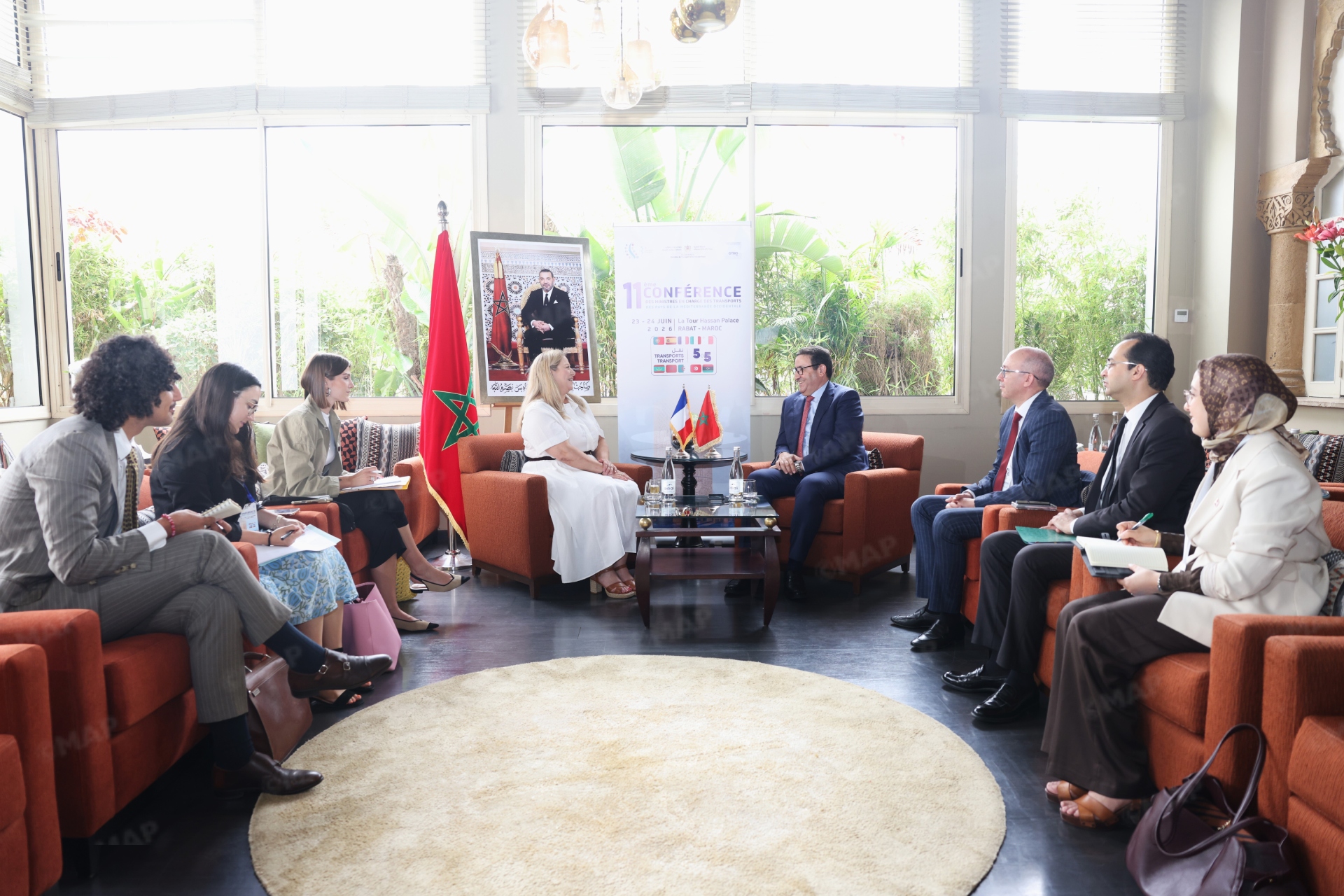
His appointment lands in the middle of a Franco-Moroccan diplomatic spring. Today, Barrot is in Rabat, where he is co-presiding, alongside his Moroccan counterpart Nasser Bourita, over the Second Ministerial Conference on Peacekeeping in Francophone Environments.
On the sidelines of the conference, both Bourita and Barrot offered a broader picture of the Franco-Moroccan partnership’s trajectory. Bourita noted that since the French presidential visit to Morocco, the two countries have held close to 50 ministerial meetings across multiple sectors.
“These meetings have significantly contributed to strengthening cooperation across all fields: the economic field, security, consular affairs, and human exchanges,” he said, adding that they also provided an opportunity, under the instructions of King Mohammed VI and President Macron, “to open new and more advanced areas of partnership in important sectors such as cybersecurity, defense industries, as well as aviation manufacturing.”
Barrot, for his part, struck a forward-looking tone. “French-Moroccan cooperation in 2026 no longer looks the same as it did in 2016 or 2006. It is even better,” he declared, describing a partnership now entering a new strategic phase spanning industry, energy, security, defense, human capital, culture, and digital technologies.
Both top diplomats confirmed that their two countries are advancing ambitious joint initiatives expected to generate significant value within the bilateral framework. Central among these is the opening of formal discussions on a bilateral “friendship treaty” – a move described as exceptional in the diplomatic practice of both nations.
For France, such an agreement would represent its first of this kind concluded with a non-European state, reflecting the growing strategic depth of the relationship.
First announced by Macron during his October 2024 visit to Rabat, the treaty initiative has experienced some delays but is now expected to be finalized in 2026.
According to reports, the signing could coincide with an official visit by King Mohammed VI to Paris. Such a visit would also be the first of its kind since May 2012, when the newly elected François Hollande hosted the king at the Elysée.
Lalliot’s immediate mandate in Rabat will center on consolidating the reinforced partnership sealed between the two heads of state and advancing the planned “friendship treaty” – a task that will test both his crisis-management instincts and his diplomatic finesse.
Source: Morocco word news