
Assahafa.com
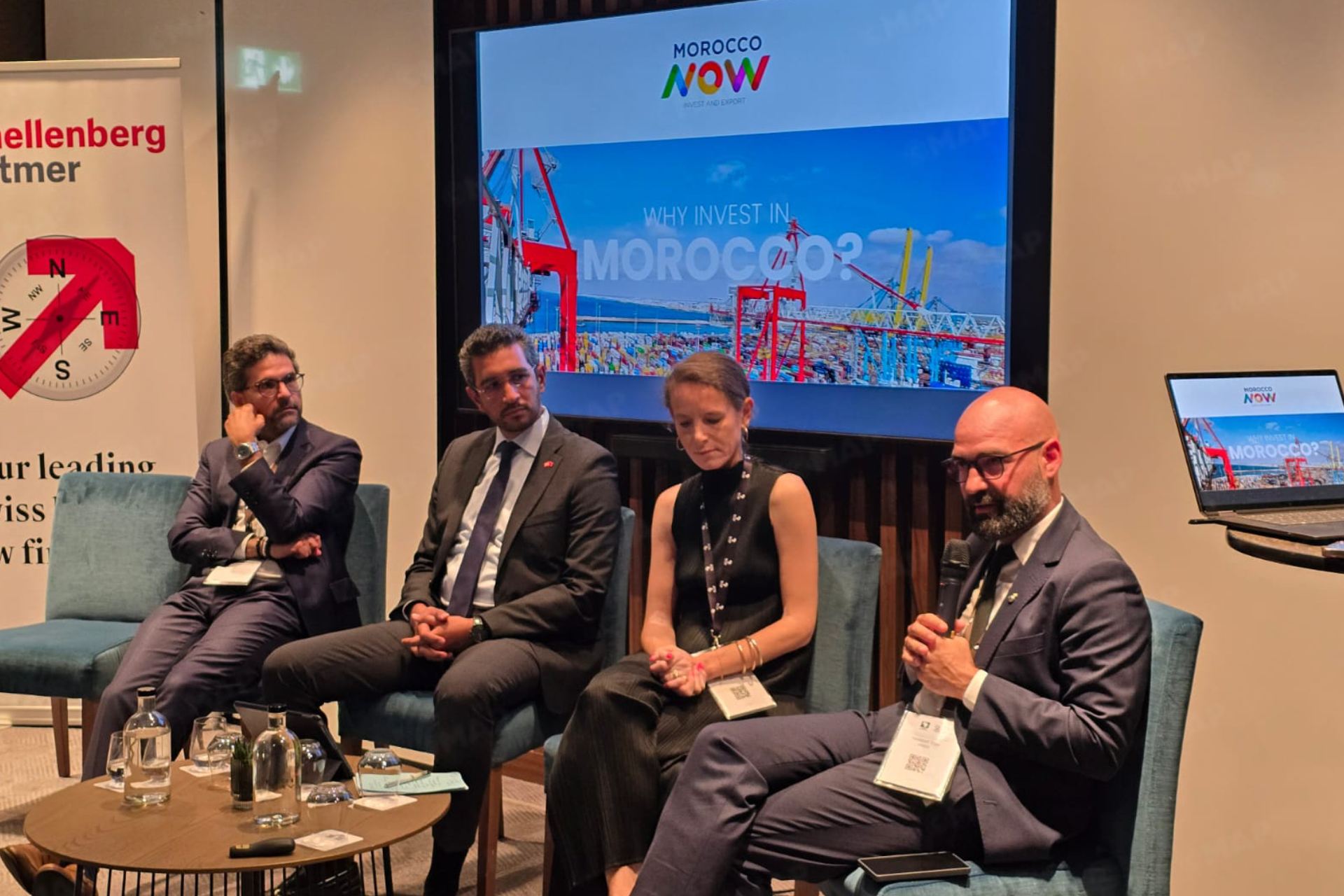
Morocco showcased the many advantages that make it a premier investment destination for international and Swiss companies on Friday during an event held in Geneva as part of “Africa Collective Geneva 2026.”
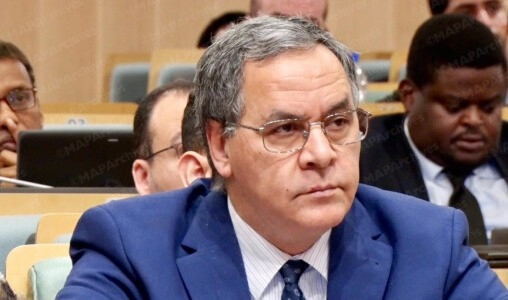
Speaking at the opening of the “Invest in Morocco” event, Amar El Halfaoui, counselor at the Embassy of Morocco in Bern, underscored the strength of the Moroccan-Swiss partnership, describing it as “a partnership of trust focused on the future,” built on a shared vision of economic openness, innovation, and sustainable growth.
As the two countries prepare to mark the 70th anniversary of their diplomatic relations, he noted that nearly 40 agreements govern bilateral economic ties, including the Free Trade Agreement with the European Free Trade Association (EFTA), comprising Switzerland, Iceland, Liechtenstein, and Norway, as well as the Agreement on the Promotion and Reciprocal Protection of Investments.
The diplomat also pointed out that more than 60 Swiss companies have established operations in Morocco, drawn by the Kingdom’s stability, its strategic position between Europe and Africa, its world-class infrastructure, and its commitment to the energy transition.
The launch of the Morocco-Switzerland Cooperation Program 2025-2028, which designates Morocco as a priority country for Swiss economic cooperation, paves the way for an even stronger partnership, he added.
Presenting the Kingdom’s investment promotion strategy under the “Morocco Now” brand, Youssef Tber, Director of Investment and Export at the Moroccan Agency for Investment and Export Development (AMDIE), said Morocco’s value proposition rests on six pillars: “stability, infrastructure, openness to the world, human capital, the energy transition, and a results-oriented culture of execution.”
According to Tber, Morocco’s institutional stability under the leadership of His Majesty King Mohammed VI, coupled with its long-term vision, constitutes a decisive advantage for investors.
He also highlighted the public investments made in infrastructure, citing Tanger Med, now Africa’s largest port, as well as the high-speed rail network connecting Tangier and Casablanca, which is set to be extended to Marrakech and Agadir.
These investments have fostered the emergence of competitive industrial ecosystems in sectors such as automotive manufacturing, aerospace, pharmaceuticals, and services. Morocco is now Africa’s leading producer of passenger vehicles, manufacturing nearly one million cars annually, Tber said, emphasizing the rapid growth of the country’s aerospace industry.
He stressed Morocco’s economic openness, noting that the Kingdom benefits from an extensive network of free trade agreements providing access to more than 2.5 billion consumers worldwide. He also highlighted the country’s human capital potential and the progress achieved in renewable energy, which already accounts for more than 45% of Morocco’s national energy mix.
For his part, Youness El Hachimi, commercial counselor at the Embassy of Switzerland in Rabat, pointed to the positive momentum in bilateral economic relations, noting that trade between the two countries grew by 33.5% in 2025 and that Morocco has become a net exporter to Switzerland.
Swiss companies now view Morocco not only as a market in its own right but also as a gateway to new markets, he said, highlighting the country’s stability, its ability to execute projects efficiently, and the support provided to investors by national and regional institutions.
That assessment was echoed by Charlotte du Closel, representing a major Swiss company operating in Morocco, who praised both the quality of support extended to investors and the speed with which industrial projects are brought to fruition.
She also emphasized the expertise of Morocco’s workforce and the availability of highly qualified talent, describing them as major assets for the development of high-value-added activities.
Talks during the event highlighted the opportunities arising from Morocco’s major initiatives in infrastructure, industry, digitalization, and renewable energy, as well as the prospects associated with the country’s role as a host of the 2030 FIFA World Cup.
Source: map