
Assahafa.com
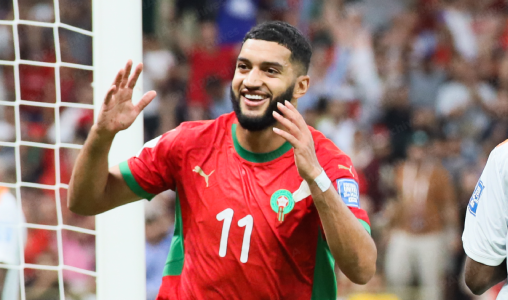
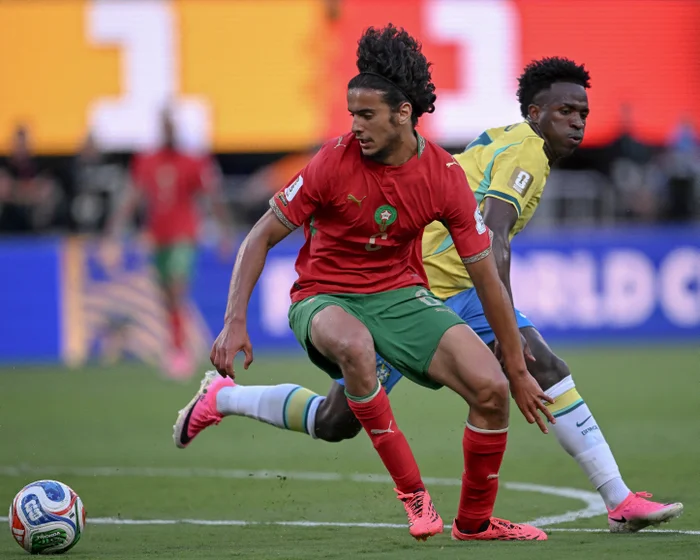
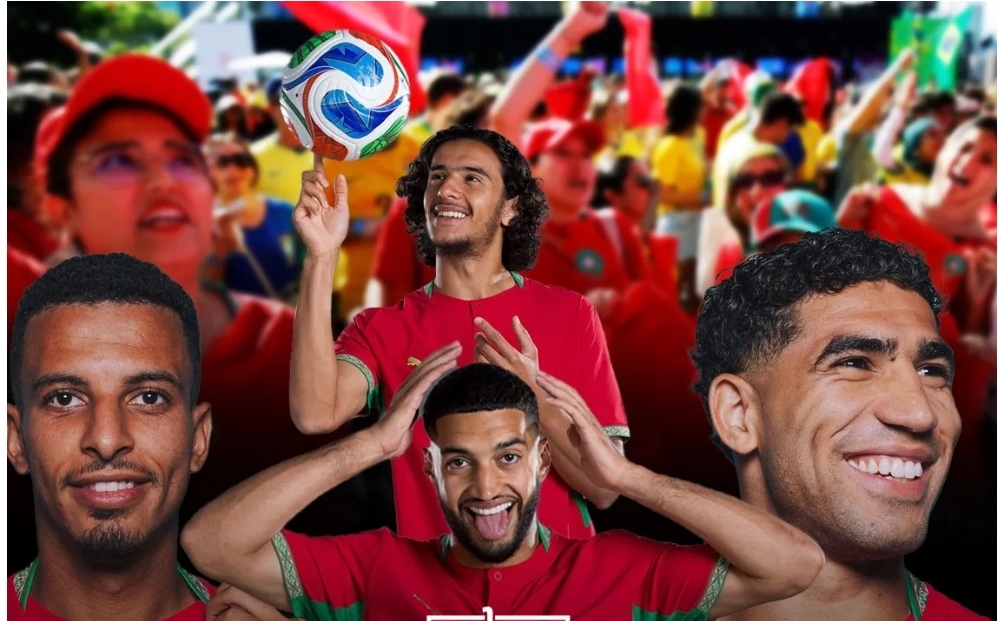
Morocco’s presence at the 2026 FIFA World Cup is becoming more than a football story. Following the historic rise of the Atlas Lions on the global football stage and the attention they gained from their recent performance against Brazil on the international stage, the country is using football’s growing influence to reshape its image abroad.
As the world grapples with Morocco’s confirmation of its newfound status as one of the world’s best teams, Atlas Lions fans, international observers, and Moroccan authorities have all highlighted the country’s tourism potential, cultural identity, investment opportunities, and ambitions for youth development.
For many international audiences, Morocco was once mainly associated with its ancient cities, traditional markets, and landscapes stretching from the Sahara to the Atlantic coast.
Today, the image being projected abroad is increasingly connected to ambition, modern development, and global engagement. The Moroccan national team’s performances have helped introduce a different side of the country, one built around confidence, diversity, and an increasingly unapologetic presence on the international stage.
The attention surrounding Moroccan football has created new opportunities for tourism. Support from fans across different regions has increased curiosity about the country’s culture, food, history, and destinations. Cities such as Marrakech, Casablanca, and Rabat are becoming symbols of a Morocco that combines heritage with modern infrastructure, offering visitors an experience that goes beyond traditional tourism.
The impact also reaches the economic sector. International visibility linked to football can encourage businesses and investors to look more closely at Morocco’s potential as a gateway between Africa, Europe, and the Middle East. The country’s investments in infrastructure, transportation, and sports facilities reflect a wider strategy to strengthen its position as an attractive destination for global partnerships.
For Moroccan youth, football’s growing influence represents more than national pride. It has created a stronger belief that talent and opportunities can emerge from different backgrounds. Young athletes, entrepreneurs, and creatives are increasingly seeing sport as a pathway to develop skills, build networks, and participate in a changing economy.
Morocco’s football story has also contributed to a broader cultural conversation. The success of the Atlas Lions has highlighted the country’s multicultural identity, where Arab, Amazigh, African, and international influences exist together. This cultural visibility allows Morocco to present itself not only as a place to visit but also as a society with a unique story to share.
While the 2026 World Cup remains a football competition, Morocco’s involvement represents a larger chapter in the country’s international journey. The real impact may not only be measured by results on the pitch, but by how effectively football continues to open doors for tourism, investment, cultural exchange, and the ambitions of a new generation.
Source: Morocco word news