

Assahafa.com
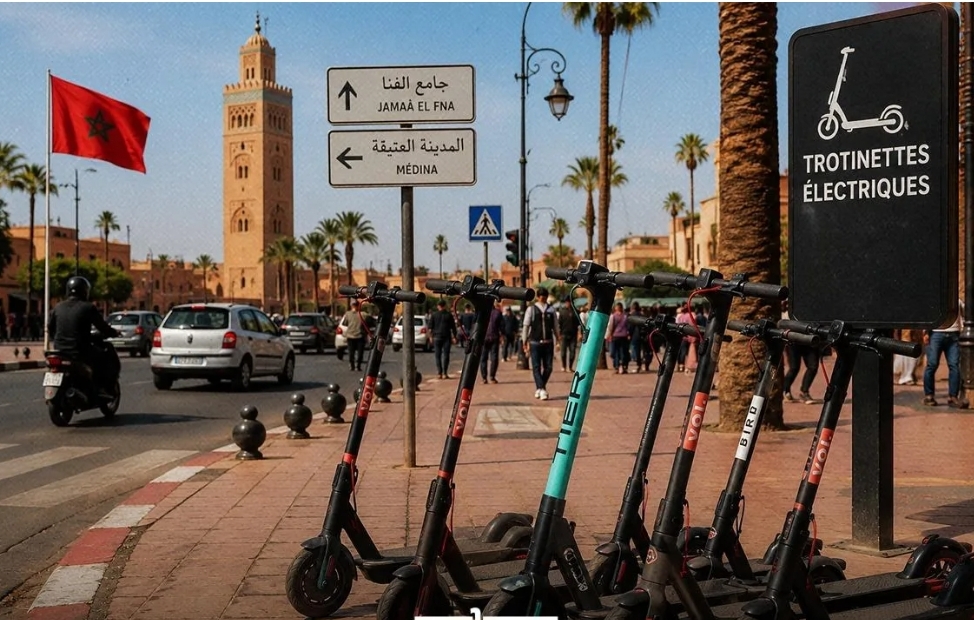
Electric scooters and app-based delivery services have rapidly transformed mobility in Morocco’s largest cities, offering residents faster and cheaper alternatives for short urban trips. However, the rapid rise of these vehicles has also exposed a regulatory vacuum that authorities are now moving to address.
Speaking at a recent meeting of the National Road Safety Agency (NARSA), Minister of Transport and Logistics Abdessamad Kayouh stressed the need for a renewed approach to road safety that takes into account emerging forms of mobility, including electric scooters and motorcycles used in delivery services.
The discussion reflects a broader transformation taking place on Moroccan streets, where traditional cars and motorcycles now share space with a growing number of electric scooters and delivery vehicles linked to the country’s booming digital economy.
For many users, electric scooters offer an affordable alternative for short-distance travel, particularly in densely populated cities. Their popularity has surged in recent years as urban residents seek faster and more flexible transport options.
However, the increasing presence of these vehicles has also raised concerns among road safety authorities.
Unlike conventional motorcycles, electric scooters have operated in a regulatory grey area, with limited clarity regarding speed limits, safety requirements, and the spaces where they are allowed to circulate. Authorities are now working to establish a clearer legal framework defining technical specifications and operating conditions for these vehicles, while strengthening safety standards for users.
The issue extends beyond scooters alone.
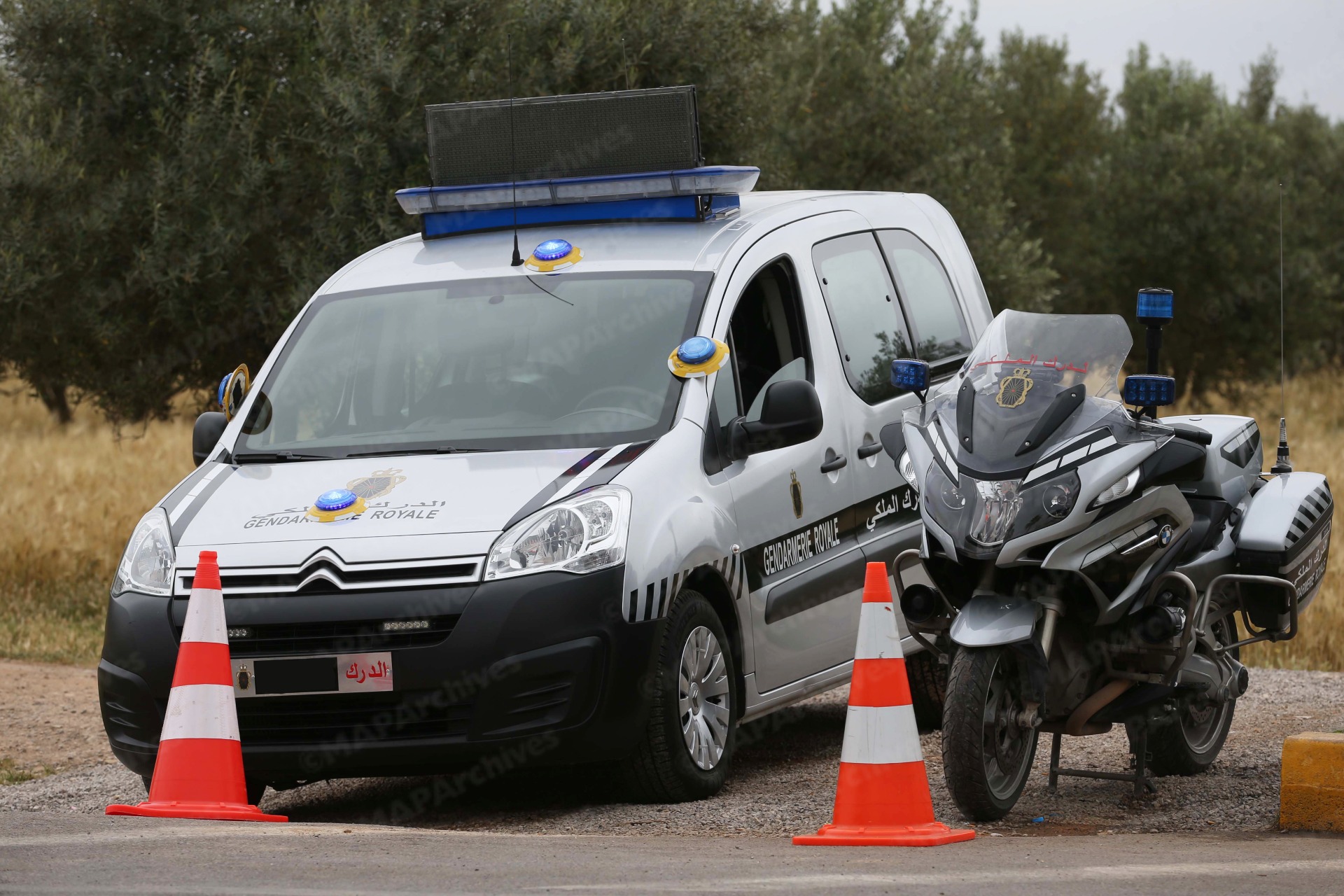
The rapid expansion of food delivery services has led to a significant increase in motorcycles on Moroccan roads, particularly in major urban centers such as Casablanca, Rabat, and Marrakech. Delivery riders often navigate busy streets under strict time constraints, increasing exposure to accidents and risky driving behavior.
Kayouh noted that the 2026-2030 National Road Safety Strategy comes at a time when road safety indicators are concerning, as Morocco recorded more than 160,000 road traffic accidents in 2025, resulting in 4,577 deaths.
The government believes that adapting road safety policies to these new realities has become essential as mobility patterns evolve and digital platforms continue to transform urban life.
Most urban areas remain designed around traditional vehicles, with limited dedicated lanes for bicycles or light electric transport. As a result, scooter users frequently share roads with cars and buses or move through pedestrian spaces, creating potential conflicts and safety risks.
For policymakers, the emergence of electric scooters raises broader questions about the future of mobility in Morocco’s cities: how to encourage cleaner, more efficient transport solutions while ensuring the safety of all road users.
As new mobility habits continue to spread, Morocco’s roads are entering a period of transition, one in which legislation, infrastructure, and public awareness may need to evolve as quickly as the technologies transforming the country’s streets.
Source: Morocco word news