

Assahafa.com
Canada’s inflation rate eased to 2.8 per cent in June as gas prices decelerated, Statistics Canada data showed Monday.
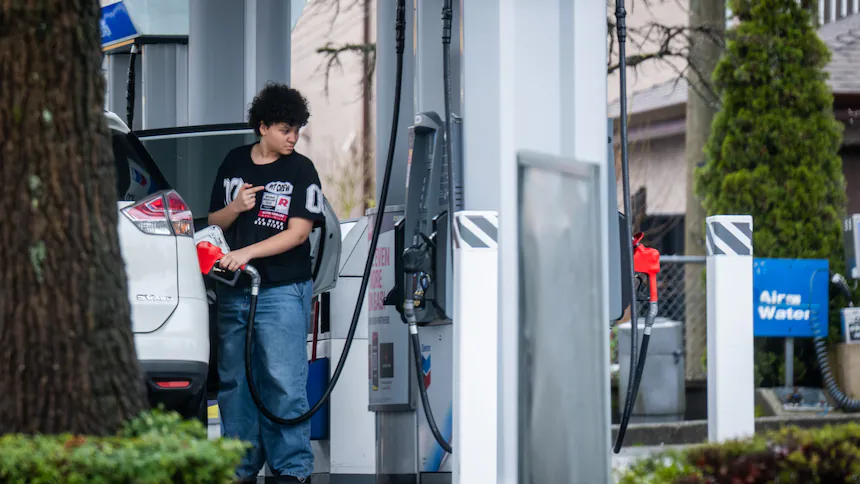
Higher oil prices due to the war between the U.S. and Iran have sent the cost of gas up in recent months and helped pull the inflation rate higher in May to 3.2 per cent.
The ceasefire and diplomatic talks last month helped ease oil prices, leading to a 10.2 per cent drop in the cost of gas month-over-month.
Since then, tensions have risen after the memorandum of understanding between the countries collapsed, and pump prices have climbed again as a result. At the same time, Ukrainian strikes on Russian oil infrastructure have also put pressure on the supply of refined oil products including fuel, according to Joe Calnan, vice president of energy at the Canadian Global Affairs Institute.
Statistics Canada says inflation was unchanged from May to June when gas prices are taken out of the equation.
Price hikes at the grocery store also eased to 3.9 per cent in June, down from 4.3 per cent in May.
Costs for fresh fruit grew at a slower pace, according to the data agency, especially for grapes. But prices for some grocery items accelerated — like fresh or frozen chicken, which rose by 5.7 per cent, and bread, rolls and buns, which were up six per cent.
Charles St-Arnaud, chief economist at Servus Credit Union, says its possible that Canadians have been replacing beef with chicken, as prices for that protein source have risen dramatically since 2021. That could have created more demand for chicken and resulted in higher prices, St-Arnaud expects.
Prices for travel-related expenses also surged as the World Cup kicked off. The cost of traveller accommodation was up around 20 per cent year-over-year in Ontario and British Columbia — mainly in host cities Toronto and Vancouver — last month.
Statistics Canada says inflation fell 0.4 per cent, down to 2.8 per cent in June from 3.2 per cent in May.
Air transportation costs also rose 9.6 per cent annually due to higher jet fuel prices and increased domestic travel demand, Statistics Canada said, marking the largest increase since February 2023.
Prices at Canadian pumps rising again as oil climbs to 4-week highs
Bank of Canada holds key interest rate at 2.25% as economic growth rebounds
BMO Economics managing director Benjamin Reitzes noted that core measures of inflation that strip out more volatile metrics were lower than expected.
“While headline inflation remains above target, underlying pressures are subdued and slowing,” Reitzes wrote in a note to investors. Given that, he expects the Bank of Canada to stay “comfortably on the sidelines” for the rest of the year.
Last week, the central bank left its key lending rate unchanged at 2.25 per cent. The central bank signalled at the time that there were few signs that price pressures from the Iran war were spilling over into broader inflation.
But with gas prices on the rise again, St-Arnaud says headline inflation could tick back up a bit in coming months.
“There’s still that lingering risk with those high energy costs that could transfer to other prices,” St-Arnaud said. Bank of Canada governor Tiff Macklem said last week that the central bank is guarding against this risk, and reiterated a promise not to let high oil prices turn into persistent inflation.
Source: cbc