
Assahafa.com
The Morocco-Nigeria gas pipeline project is gaining more support, including from West African leaders, as plans to advance the infrastructure are progressing.
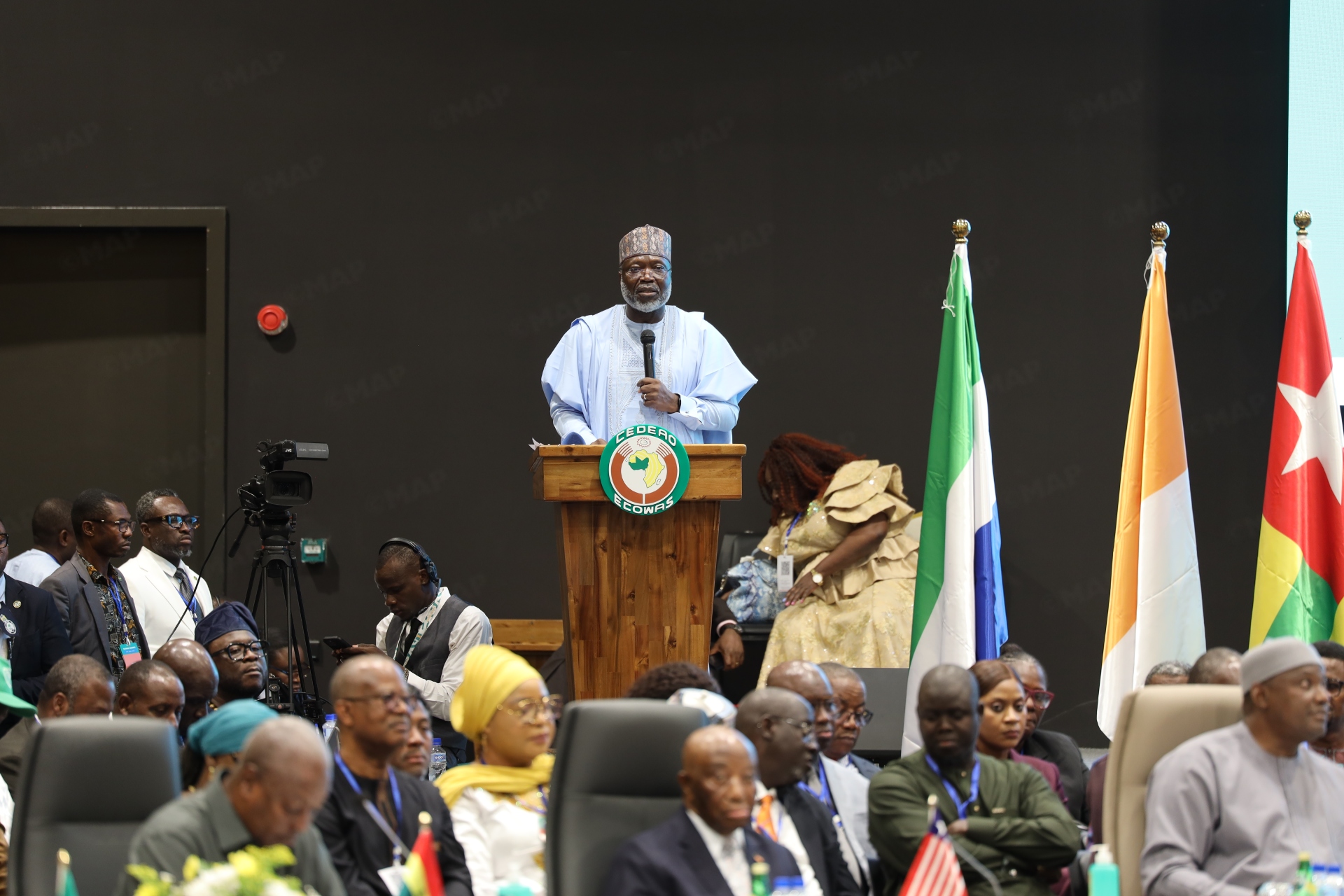
On Sunday, the Summit of Heads of State and Government of the member countries of the Economic Community of West African States (ECOWAS) marked the signing of the Intergovernmental Agreement governing the gas pipeline, also known as the African Atlantic Gas Pipeline.
The agreement will act as a framework to pave the way for the next implementation phase, including the establishment of the project company, which will be headquartered in Casablanca.
Many ministers and officials welcomed the signing of the agreement, stressing the viability of the project as a driving force that will strengthen not only regional integration but also energy security and development across West Africa.
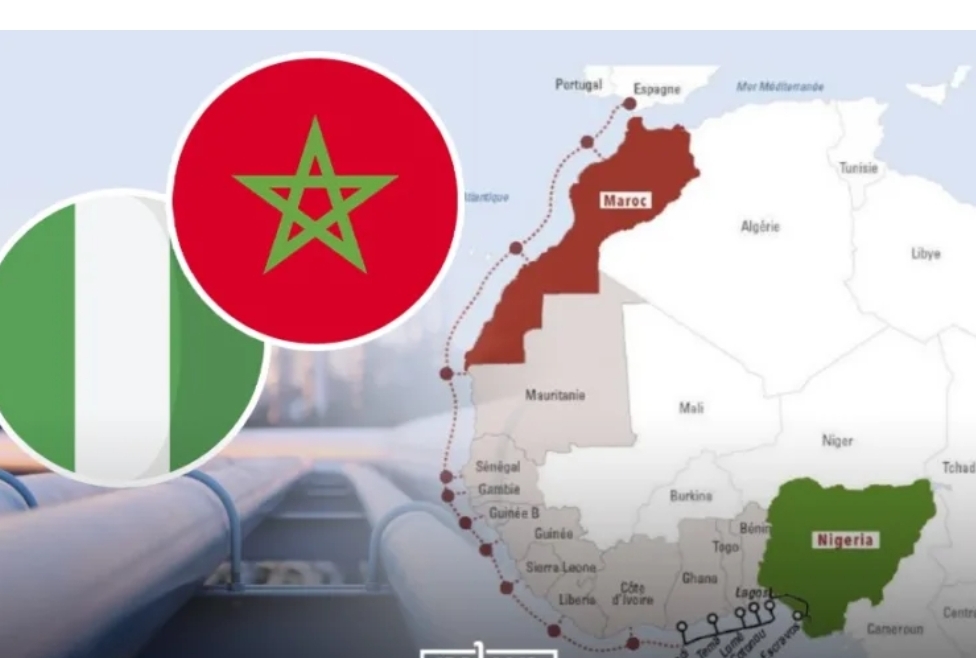
The nearly 6,800-kilometer pipeline will transport natural gas from Nigeria to Morocco before connecting to the European gas network.
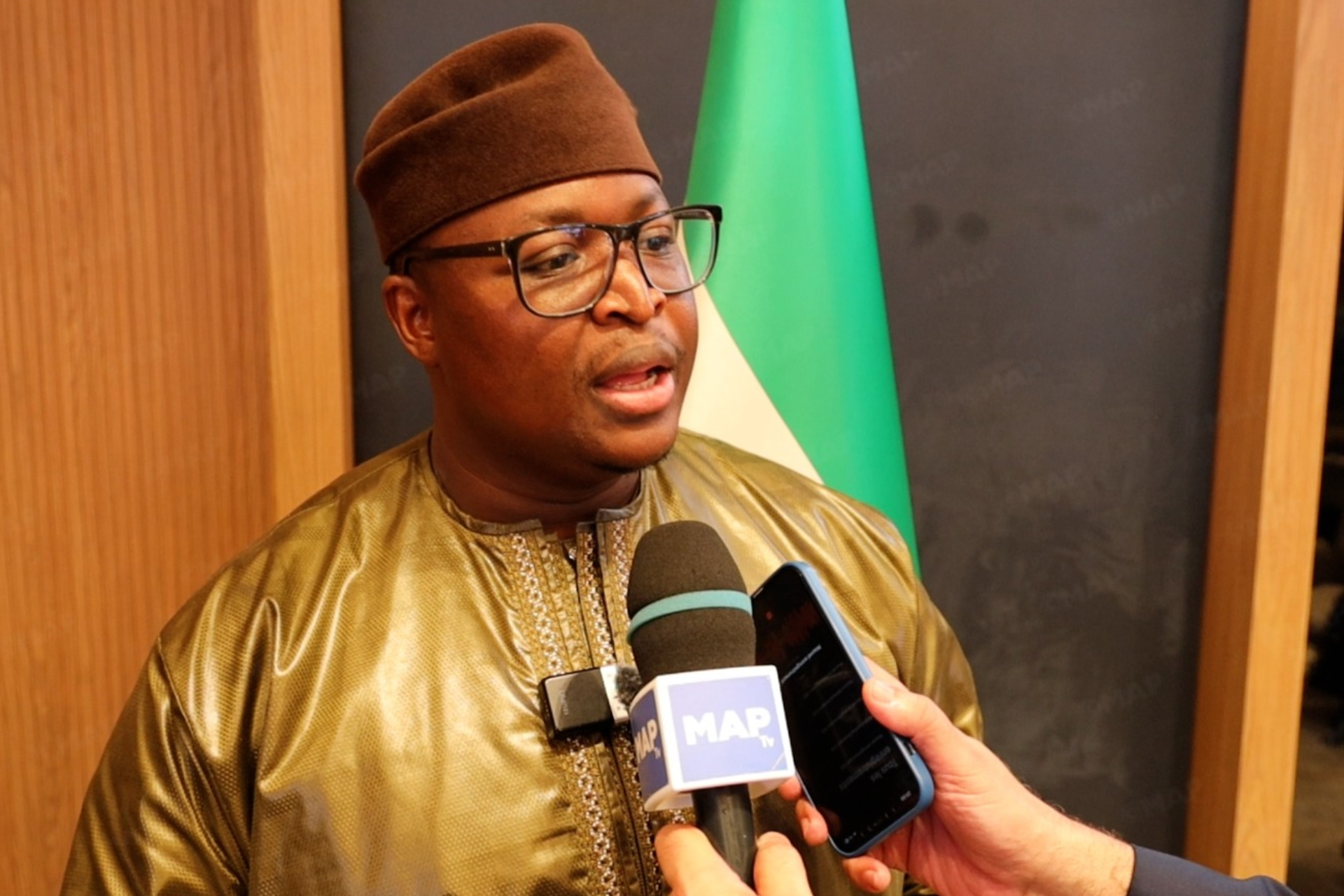
Sierra Leone’s Foreign Minister Timothy Kabba described the pipeline as a strategic project of “crucial importance” capable of advancing West African integration. He also expressed gratitude to King Mohammed VI for launching the initiative, which he said marks a source of hope for the region.
“This is an excellent project initiated by His Majesty King Mohammed VI that will benefit all countries in the region by creating real economic momentum for the well-being of West African populations,” Kabba said.
ECOWAS Commission President Omar Alieu Touray also expressed satisfaction with the Morocco-Nigeria Atlantic Gas Pipeline, describing it as one of the most transformative initiatives ever undertaken in West Africa.
He said the project will support the development of strategic infrastructure, strengthen regional integration, and improve connectivity among countries in the region.
“By linking several West African coastal states through a major energy corridor, the pipeline promises to enhance energy security, support industrialization, create jobs, and strengthen economic interdependence among countries in the region,” Touray said.
Liberian President Joseph Boakai also commended the project, emphasizing that it is a “major step forward” for West Africa.
For Boakai, the project is “a transformative investment for the collective future of the entire region.” He also thanked Morocco for a “necessary achievement,” saying the pipeline will stimulate regional economic growth.
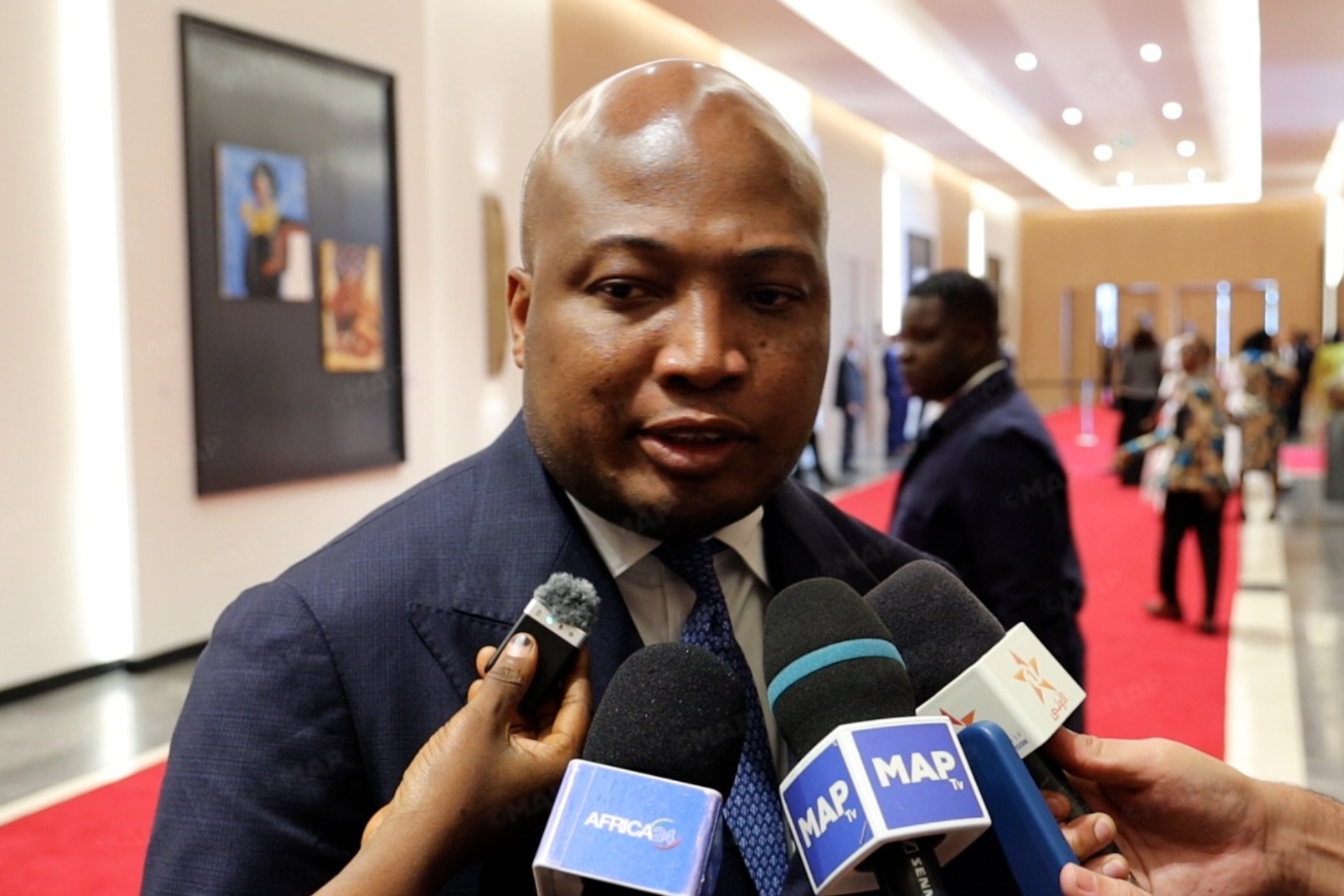
Ghana’s Foreign Minister Samuel Okudzeto Ablakwa echoed the same sentiment, welcoming what he called the King’s “historic initiative,” and saying Ghana is proud to be an active participant in the project through ECOWAS.
The pipeline will significantly strengthen African integration and stress the need for greater investment in infrastructure to support industrialization across the continent, he said.
“If we want to industrialize our countries for the benefit of our people, we must invest in infrastructure,” Ablakwa elaborated.
Meanwhile, Gambia’s Minister of Foreign Affairs, International Cooperation and Gambians Abroad, Sering Modou Njie, emphasized the importance of the initiative, saying his country was honored to take part in the signing ceremony of the Intergovernmental Agreement.
He described the project as an important initiative that will connect ECOWAS countries from Nigeria to Morocco and benefit the entire West African region.
Recalling the critical role of energy in national development programs, Njie expressed Gambia’s gratitude and congratulations to King Mohammed VI.
More on the agreement
Amina Benkhadra, Director General of Morocco’s National Office of Hydrocarbons and Mines (ONHYM), announced that Nigeria and Morocco will sign the agreement on the planned $25 billion gas pipeline this year, stating that a high committee will be created following the agreement.
Through the agreement, Morocco and Nigeria will establish a project company as a joint venture between ONHYM and Nigeria’s National Petroleum Company (NNPC) to oversee the financing and construction phase.
The agreement will also support the implementation of the project, Benkhadra told Reuters.
The initial phase of the pipeline will connect Morocco to gas fields in Mauritania and Senegal, then link Ghana to Côte d’Ivoire before a final segment connects Ghana to Nigeria’s gas fields.
Funding commitments, according to Benkhadra’s statement to Reuters, have not yet been secured.
The project company will lead the financing structure, mobilizing a mix of equity and debt for the project.
The project, Benkhadra added, is attracting strong interest due to its strategic position. King Mohammed VI described the pipeline as more than just a “bilateral project” between two countries, but rather as a driver for African economic integration and co-development.
The monarch described the project as an investment for present and future generations.
The nearly 6,900-kilometer project will span 13 countries along the Atlantic coast, with plans to benefit more than 340 million inhabitants.
Morocco is set to host over 1,600 kilometers of the project.
In November 2023, the monarch reiterated the country’s commitment to the project, emphasizing that the region along the Atlantic coast suffers from a significant deficit in infrastructure and investment, despite skilled human capital and abundant natural resources.
“The Morocco-Nigeria gas pipeline strategic project is part of Morocco’s efforts to tackle the situation, the king said, emphasizing that the infrastructure aims to promote regional integration and boost joint economic growth.
“It will also guarantee energy supplies for European countries,” the monarch said.
Despite boasting laudable resources, reports estimate that 42% of Africa’s population lacks reliable access to basic rights, including electricity at home.
One report from the Atlantic Council found it “reasonable” and “fair” to use Africa’s sizable untapped gas reserves to help electrify the continent.
The report also emphasizes the importance of the project in advancing those efforts while strengthening energy sovereignty in the region.
Source: Morocco word news