
Assahafa.com
The Interministerial Delegate for Human Rights, Mohamed El Habib Belkouch, held a series of meetings in Geneva on the sidelines of the 62nd session of the Human Rights Council (HRC). The talks focused on strengthening international cooperation on human rights, promoting the Universal Periodic Review (UPR) mechanism, and sharing Morocco’s experience with National Mechanisms for Implementation, Reporting and Follow-up (NMIRFs).
Belkouch met with the Executive Director of the specialized organization UPR Info, Mona M’Bikay, to discuss ways to build on the outcomes of the international retreat held in Rabat on June 5-6 by the Interministerial Delegation for Human Rights (DIDH), in partnership with the Office of the United Nations High Commissioner for Human Rights (OHCHR) and UPR Info, to mark the 20th anniversary of the establishment of the UPR mechanism.
The two officials praised the success of the international retreat, which brought together UN officials and human rights experts from some 30 countries, including the President of the HRC. They reaffirmed their commitment to presenting, during a side event at the Council’s next session, an official report compiling the recommendations issued at the Rabat meeting, ahead of the launch of the fifth UPR cycle.
The report is expected to make a substantive contribution to the international debate on strengthening the UPR mechanism, widely regarded as one of the most innovative tools within the UN human rights protection system.
On this occasion, M’Bikay congratulated the Interministerial Delegation for the organizational and substantive success of the Rabat meeting, expressing her satisfaction with the quality of the partnership established with Morocco and her willingness to further strengthen it.
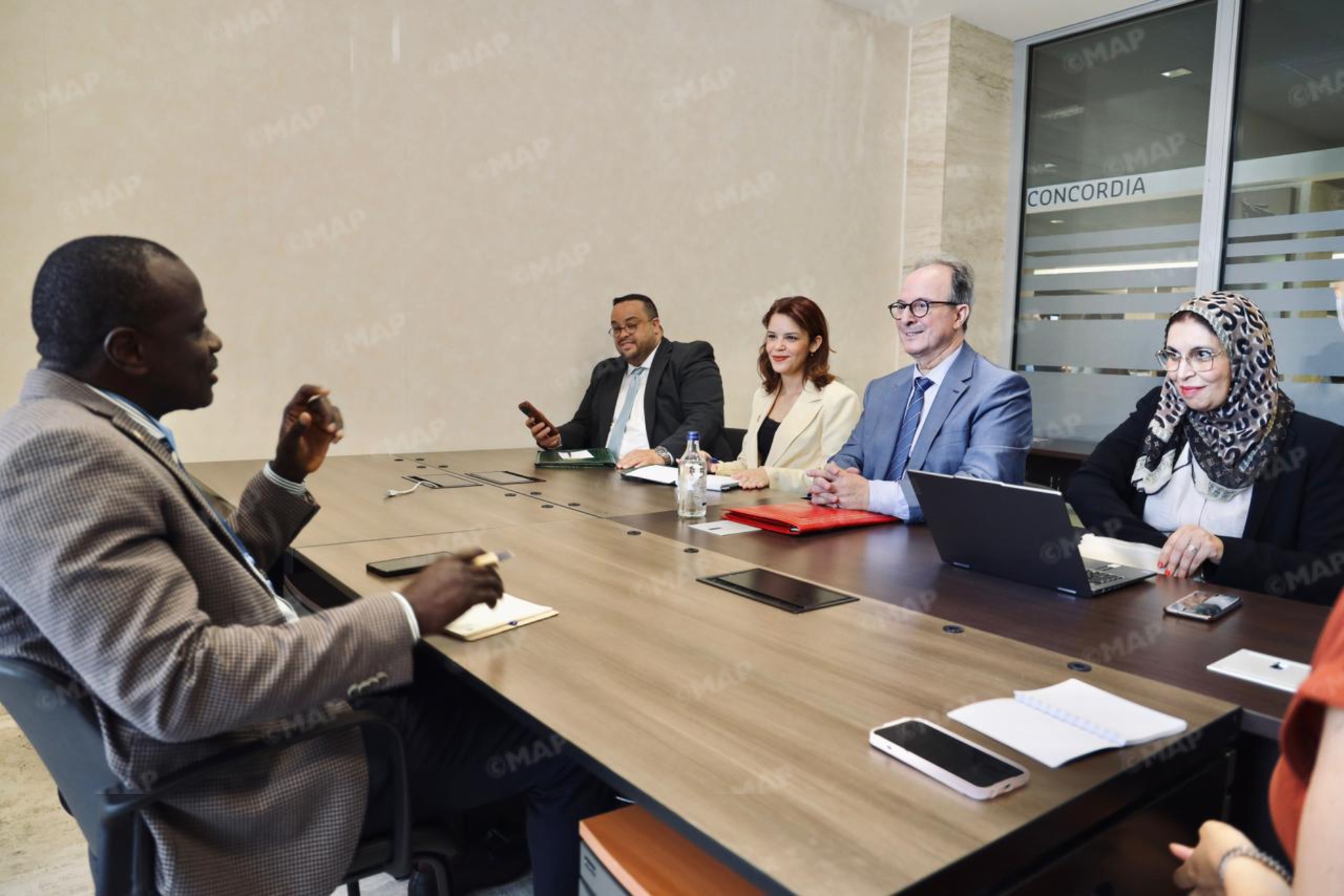
Separately, at the request of The Gambia’s Permanent Mission to the United Nations in Geneva, Belkouch received the country’s Deputy Permanent Representative to the UN in Geneva, Cherno Marenah, and presented Morocco’s experience in establishing and developing a National Mechanism for Implementation, Reporting and Follow-up of international human rights recommendations.
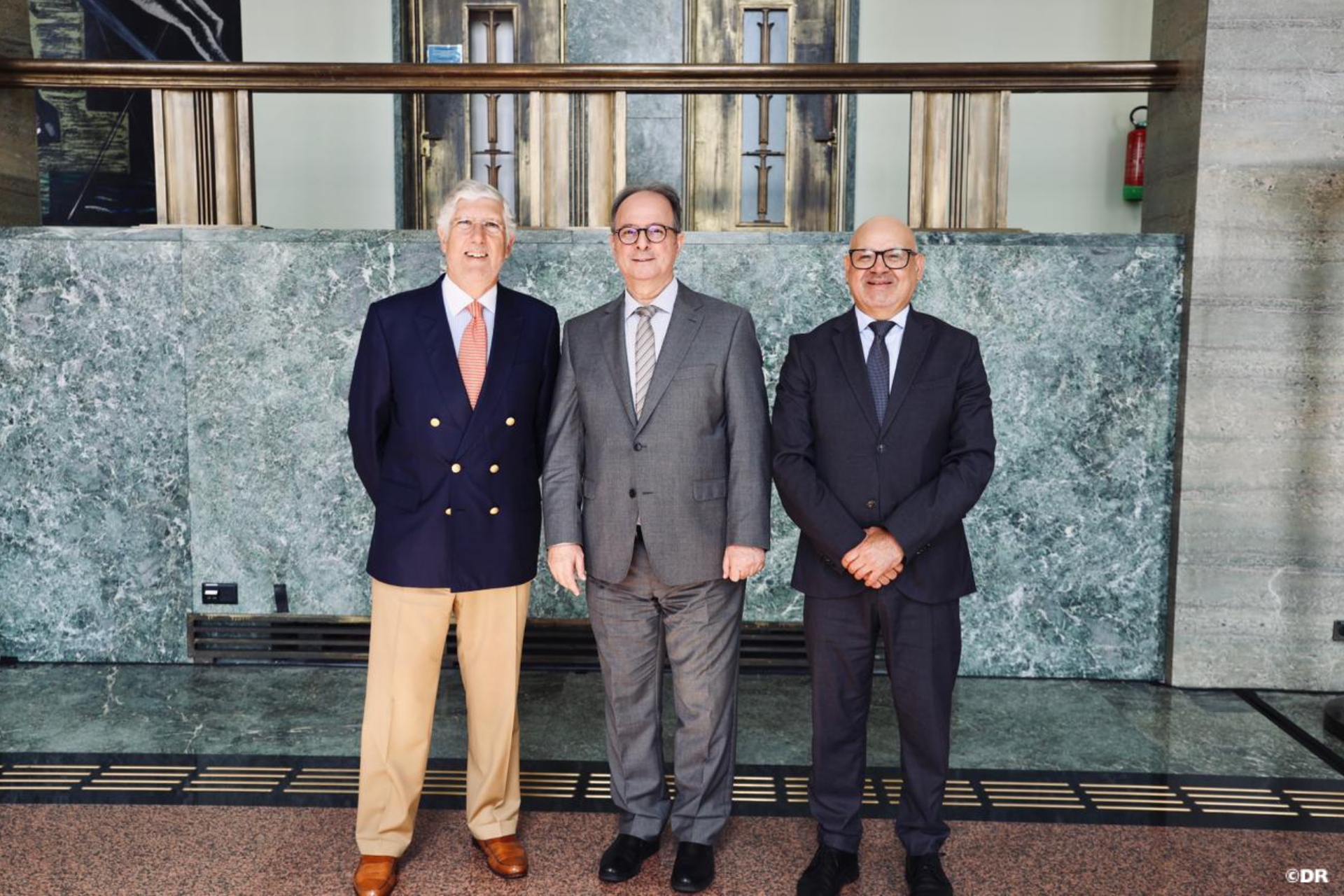
The Interministerial Delegate highlighted Morocco’s pioneering role in this field, particularly within the International Network of National Mechanisms for Implementation, Reporting and Follow-up, which Morocco co-founded and currently coordinates alongside Portugal and Paraguay.
He also expressed Morocco’s readiness to share its expertise and support his country in establishing a similar institutional mechanism.
In a press statement following the meeting, Marenah praised Morocco’s experience, describing it as “one of the most successful examples” of establishing a national mechanism for implementing international recommendations. He said that his country, which currently operates an ad hoc mechanism, aims to establish a permanent institutional mechanism modeled on Morocco’s experience.
He also expressed his country’s interest in benefiting from Morocco’s expertise in capacity building, the exchange of best practices, and technical assistance.
The diplomat added that the two sides plan to continue discussions in their respective capitals with a view to concluding a memorandum of understanding that would pave the way for official exchanges, working visits, and structured cooperation.
He also thanked Morocco for inviting the country to participate in the next meeting of the International Network of National Mechanisms for Implementation, Reporting and Follow-up, scheduled to be held in Morocco in the spring of 2027.
Source: map