

Assahafa.com
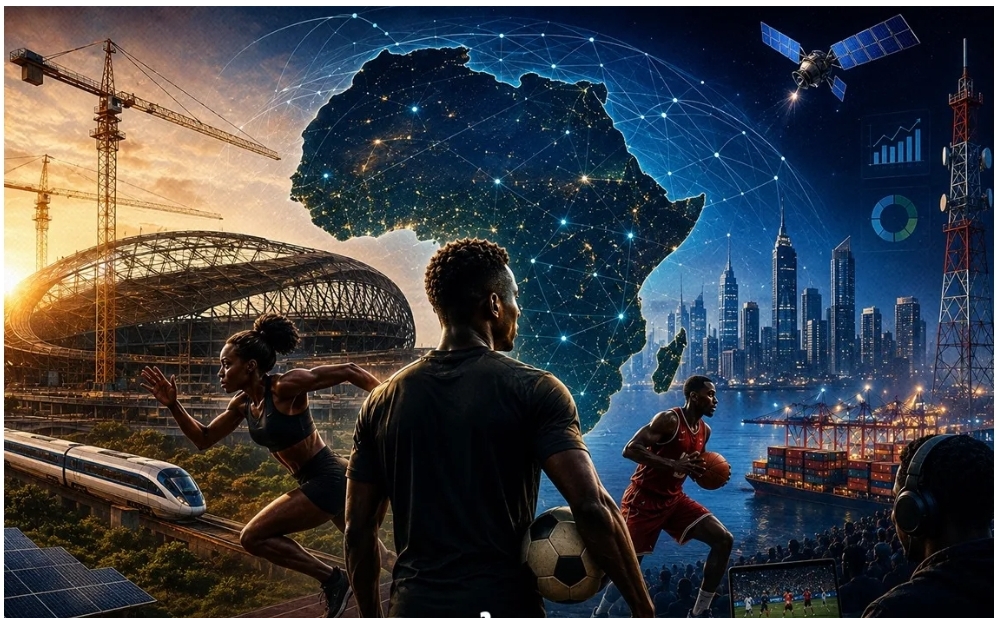
The African sports landscape is evolving far beyond the playing field. Historically recognized for exporting elite talent to European leagues, the continent is now cultivating its own robust commercial ecosystems. This transformation is visible in massive brick-and-mortar infrastructure projects and the rapid expansion of digital engagement platforms. As governments leverage sport to advance broader economic objectives, the traditional spectator experience is shifting toward a more integrated, multimedia environment.
From ambitious stadium developments across North Africa to sophisticated digital platforms in the south, the continent is building localized institutional capabilities. The availability of continuous real-time data, high-definition broadcasting, and mobile-first markets has fundamentally altered how audiences interact with their favorite sports. The entire value chain is expanding, introducing professional revenue streams and skilled employment opportunities to local markets.
Expanding digital engagement and regulated ecosystems
The digital transformation of sports consumption is particularly evident in South Africa, which has fostered a dynamic and strictly regulated digital engagement sector. Modern fans no longer simply watch a scheduled football or rugby match; they actively interact with probability models, track live statistics, and participate in regulated sports markets directly from their mobile devices. This ecosystem relies on stable cellular connectivity and secure payment gateways tailored to local banking preferences. Many commercial entrants design their operations to offer dedicated local support and intuitive technological interfaces. Focusing on these high-touch features allows Virgin bet to deliver extensive global market options to local users while maintaining the rigorous security standards required by provincial authorities.
This advanced level of digital interaction generates significant economic activity, supporting a technology economy that extends well beyond the initial television broadcast. Broadcasters, data analytics providers, and regulatory bodies are expanding operations to manage the increased data flow. In South Africa, the formalization of this sector has driven regional job growth in software development, customer support, and compliance management. Precise data underscores how quickly high smartphone adoption rates have converted passive viewership into active digital participation.
“The South Africa sports betting market generated a revenue of USD 769.8 million in 2024 and is expected to reach USD 1,270.6 million by 2030,” according to the Grand View Research. This trajectory reflects a broader continental trend where regulatory clarity enables consistent revenue growth while ensuring operators adhere strictly to safe consumer practices.
Physical infrastructure as an economic catalyst
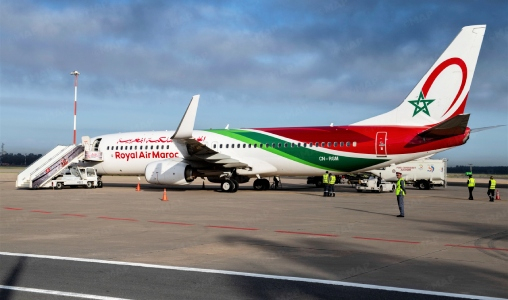
While digital ecosystems thrive in the south, physical infrastructure developments are reshaping national economies in North Africa. Morocco is currently executing a multi-year modernization master plan designed to attract sustained global investment. Upgrading regional stadiums, expanding high-speed transportation networks, and improving urban amenities serve the immediate logistical needs of major international tournaments while laying a foundation for long-term domestic prosperity.
The governmental focus on large-scale infrastructure requires careful macroeconomic balancing, weighing temporary debt against future growth projections. Aggressive infrastructure spending tied to development for the 2030 FIFA World Cup is projected to raise real GDP by approximately 2%above a baseline no-investment scenario by the end of the decade. This projected structural growth is expected to eventually offset the planned widening of the fiscal deficit, demonstrating that well-calibrated sports infrastructure functions as a powerful engine for structural economic transformation.
Elevating African competitiveness on the global stage
Both digital service expansion and physical infrastructure investments feed back directly into the athletic performance of African competitors. Improved domestic training facilities, sophisticated athletic data analytics, and increased financial retention within professional leagues translate into better tactical preparation and player development. Stronger domestic sporting ecosystems allow young athletes to systematically hone their technical skills before competing against international footballing superpowers.
This structural maturity has sparked a psychological shift that now permeates the continental sporting community. Professional coaches and technical analysts operating within African structures are increasingly vocal about the shifting balance of power in international sports. The tactical sophistication and mental resilience demonstrated in recent global competitions signal that regional teams are no longer satisfied with merely participating. There is a tangible belief that the ultimate championship prize is within reach, reflecting the growing competitiveness of African sides against traditional European and South American heavyweights.
Social responsibilities and the digital horizon
The continent-wide convergence of infrastructure megaprojects and interactive platforms demands ethical oversight. As modern sports broadcasting integrates complex statistical data and interactive commercial features, stakeholders must prioritize long-term societal well-being. Regulatory bodies are tasked with ensuring that the economic windfalls from mega-events translate into tangible improvements for local communities, manifesting as upgraded public transport systems and sustainable urban utilities that persist long after the final whistle.
The digital sphere requires strict governance protocols to protect vulnerable consumers as interactive markets become deeply entrenched in sporting culture. Broadcasters, digital publishers, and operators must collaborate to ensure audiences are educated about the platforms they use regularly. Establishing transparent engagement guidelines and promoting safe interaction prevents rapid market expansion from generating unintended social consequences.
The future of African sports is underpinned by sustained investment and a passionately engaged demographic. By balancing ambitious physical development goals with diligent regulatory frameworks, the continent is positioned to emerge as a powerhouse in the global sports economy. However, as interactive entertainment and commercial sports markets grow, audiences are encouraged to maintain a cautious approach. It is always recommended to utilize available responsible gambling resources and set strict personal constraints to ensure that digital participation remains a secure and enjoyable component of the modern sports experience.
Source: Morocco word news