

Assahafa.com
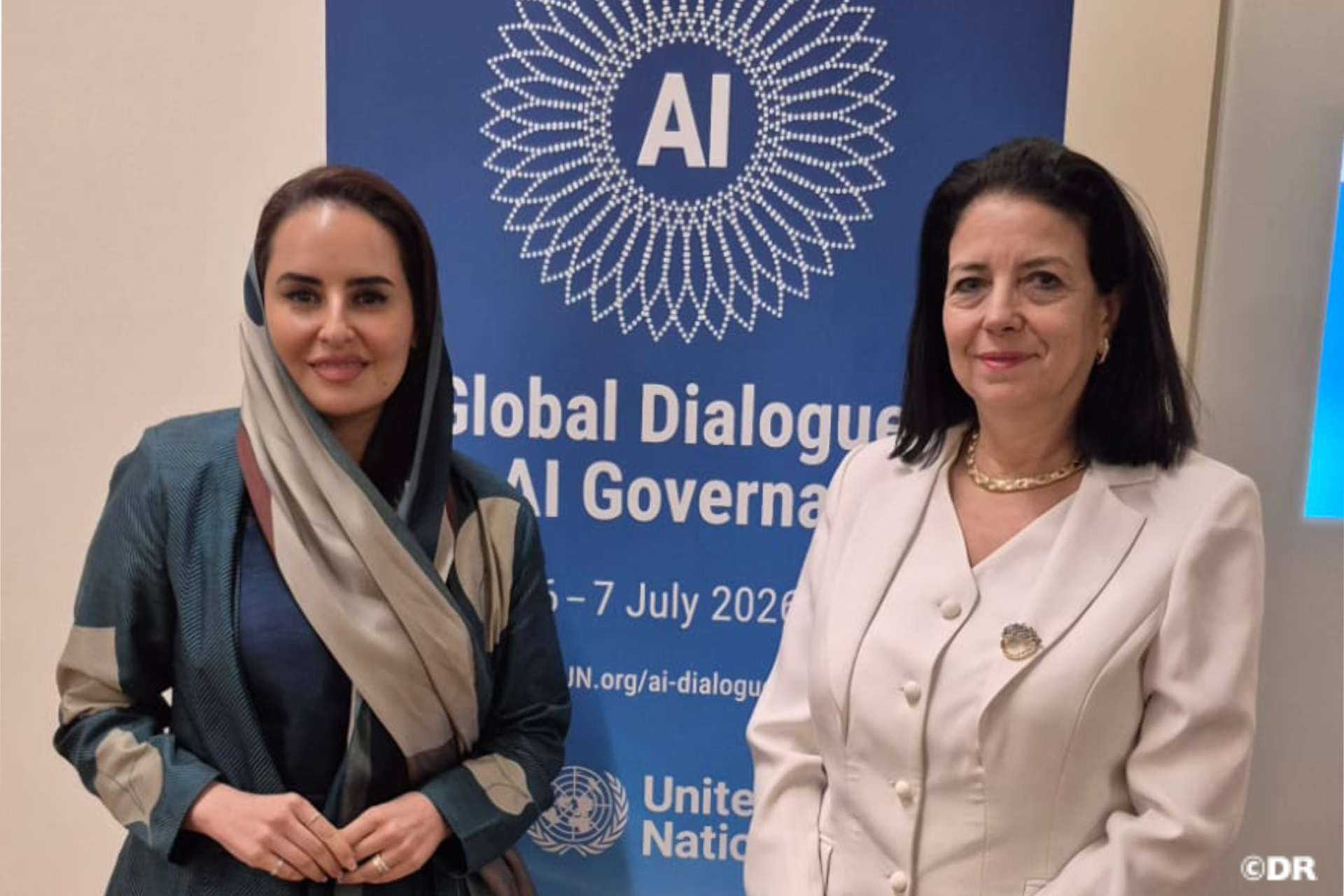
Morocco’s minister delegate to the head of government in charge of digital transition and administrative reform, Amal El Fallah Seghrouchni, on Wednesday advocated the concept of “open sovereignty” for artificial intelligence that is safe, secure, and trustworthy.
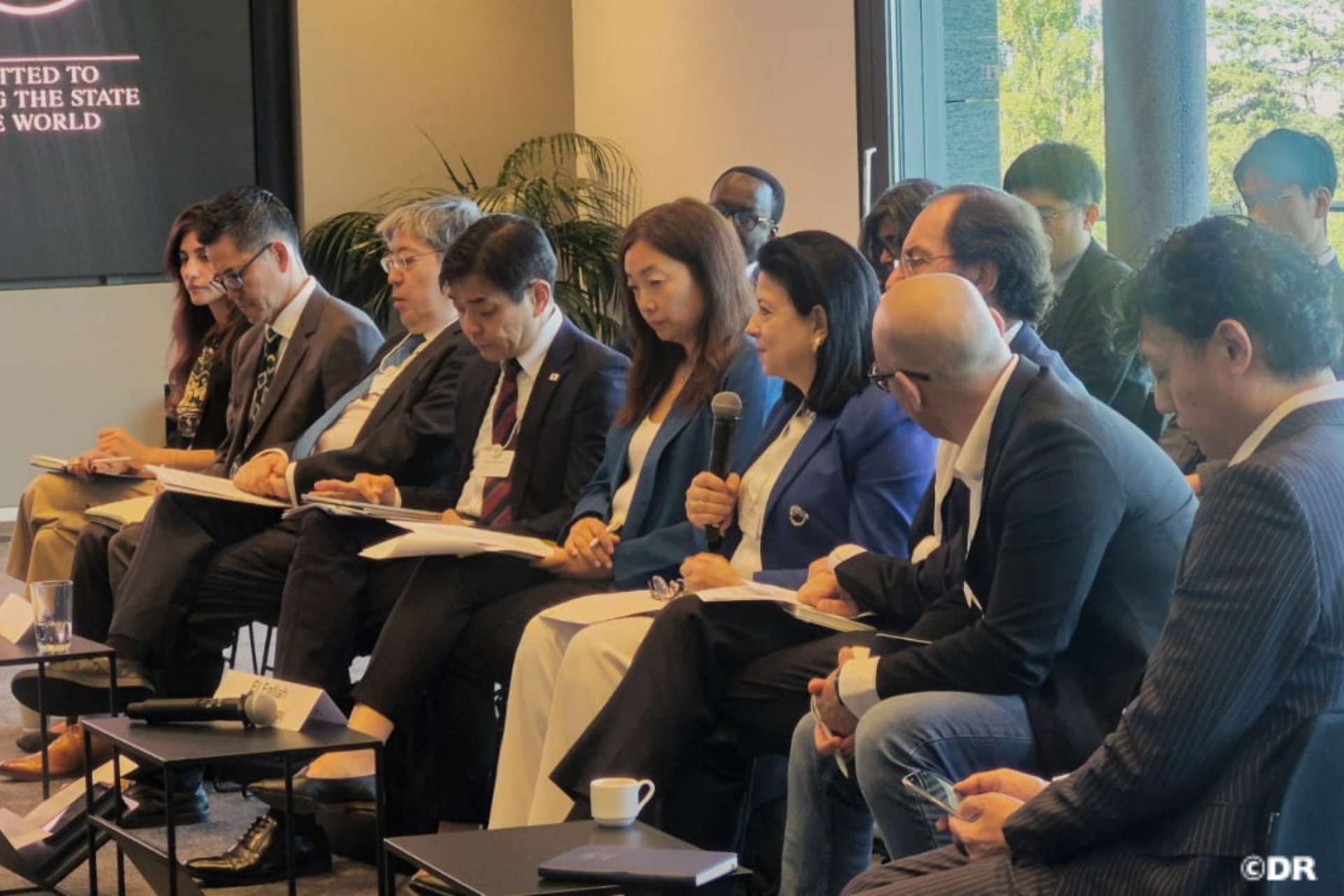
Speaking during a high-level dialogue held at the headquarters of the World Economic Forum (WEF), the official said AI has become a strategic capability for nations, on par with infrastructure, energy, and human capital. She stressed that this capability must be built on strong data governance based on reliable, structured, interoperable, secure, and legally regulated data.
Such governance, Seghrouchni said, enables countries to move from experimentation to the large-scale deployment of AI across key sectors, including healthcare, education, public administration, industry, energy, and regional development.
“Open sovereignty” means maintaining control over strategic national assets while developing balanced international partnerships, she explained, noting that AI standards are global, talent is mobile, models evolve within open ecosystems, and investment flows transcend national borders.
In this context, the official called for a clear distinction between what can be shared, what can be acquired, what should be co-developed, and what must remain under national sovereign control.
She highlighted the D4SD Hub, an initiative led by Morocco in partnership with the United Nations Development Programme (UNDP) and based in Rabat, as a concrete example of this vision. The platform is designed to support African and Arab countries in their digital transformation and in developing responsible, inclusive, and value-creating AI.
Seghrouchni also outlined the main pillars of Morocco’s approach, including personal data protection, digital identity, interoperability, trust services, cybersecurity, computing infrastructure, and skills development.
Highlighting Morocco’s progress in the field, she noted the country’s rise of 14 places in the 2025 Government AI Readiness Index, as well as its goal of training up to 100,000 digital professionals annually, including specialists in artificial intelligence.
The official also recalled the launch in January 2026 of the JAZARI Institutes, a nationwide network of AI research and development centers of excellence designed to bring together researchers, public institutions, regional authorities, startups, and businesses around practical AI applications.
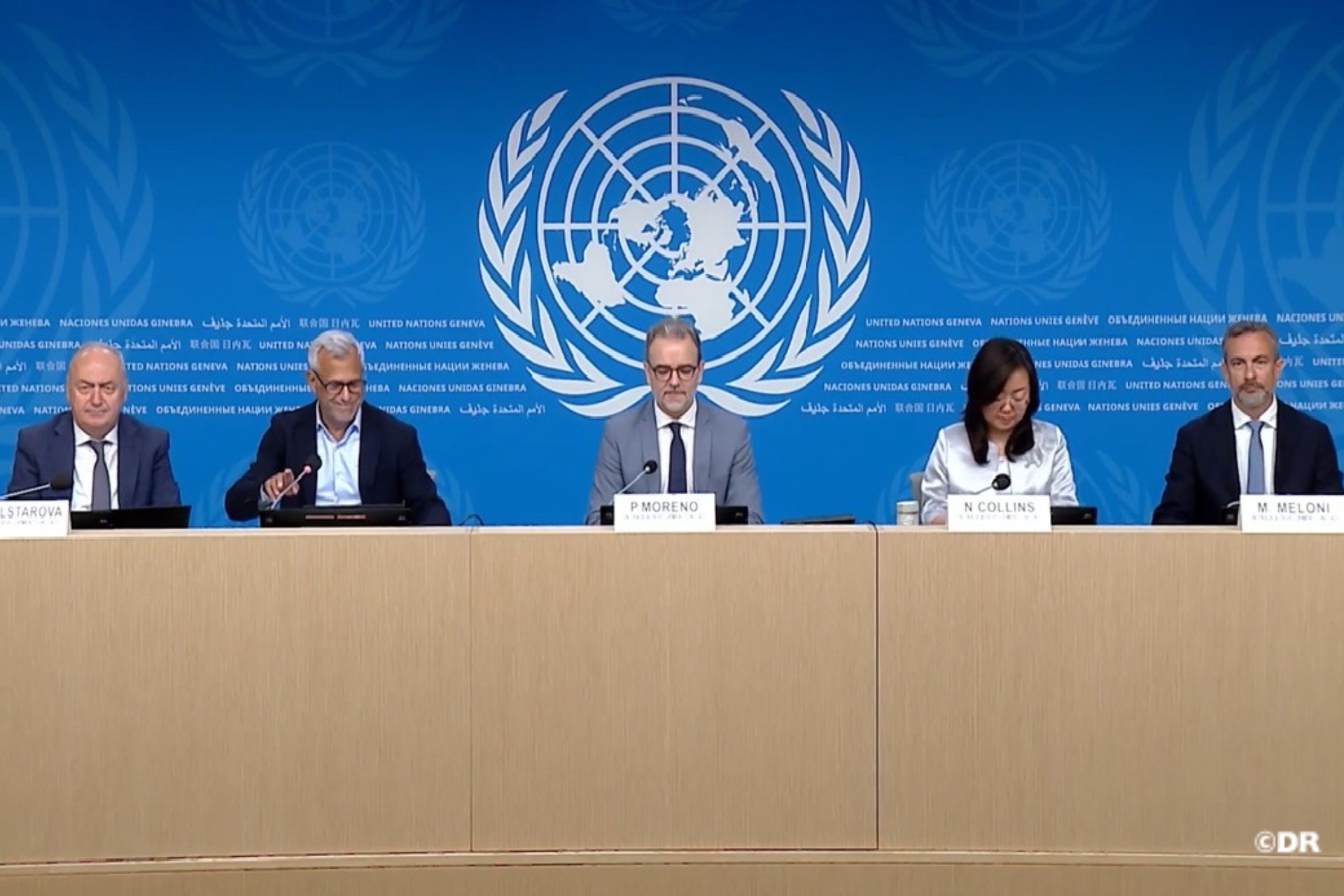
Organized as part of Geneva Digital Week, the dialogue brought together around 30 senior government officials, technology industry leaders and representatives of international organizations to discuss how AI governance can balance security, trust, innovation and international cooperation.
Source: map