

Assahafa.com
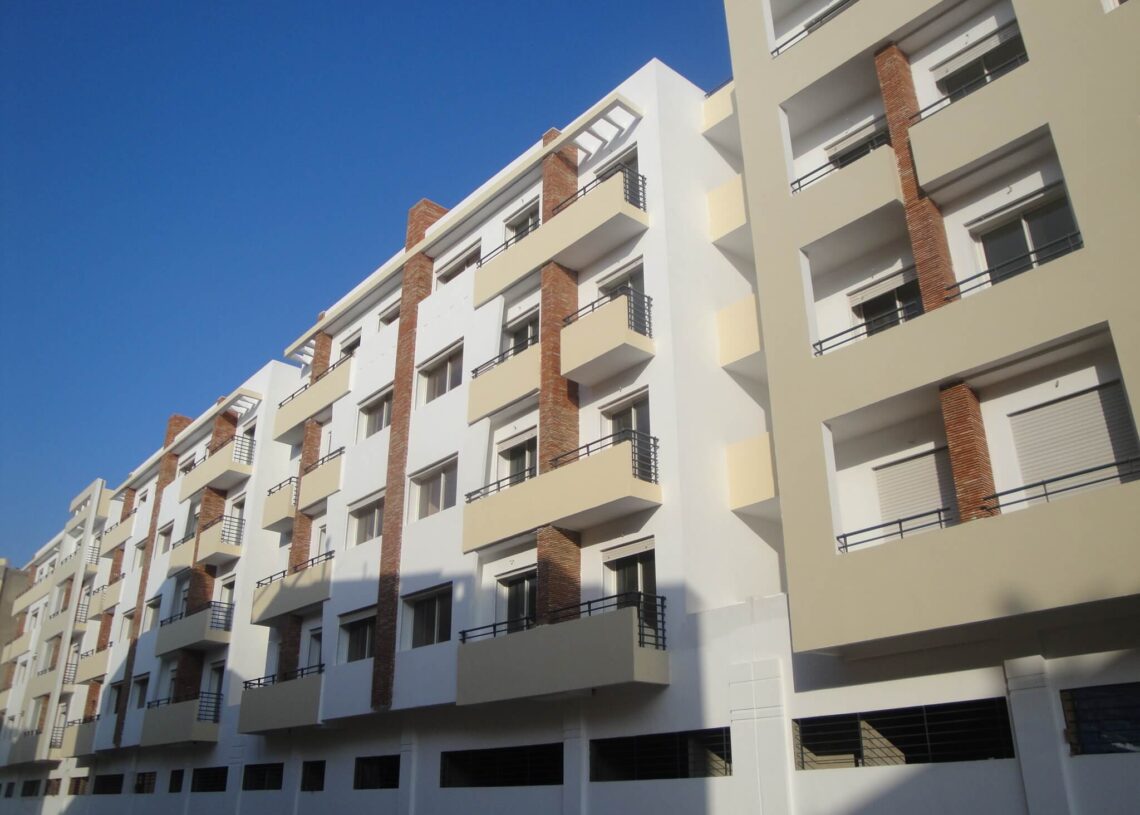
Morocco’s direct housing support program has benefited more than 101,521 people as of May 7, according to Adib Benbrahim, the Secretary of State for Housing, speaking on Tuesday before the House of Councillors.
Benbrahim said the program, which targets low-income households and the middle class, has received 263,000 applications from 214,000 citizens. A total of 193,000 applicants were deemed eligible. He added that 60% of beneficiaries are middle-class.
Women represent 47% of beneficiaries, while young people under 40 make up 52%, he added. Meanwhile, Moroccans living abroad account for 24% of those who benefited from the program.
The official explained that the program replaces the previous system of indirect housing support, which mainly benefited real estate developers. Instead, the new approach gives direct financial assistance to citizens and allows them to choose their own housing rather than being limited to specific social housing projects.
According to Benbrahim, the program relies on a digital platform where citizens can check their eligibility using their national ID number. Approved applicants can receive a certificate of eligibility in less than a week. He said other procedures, including sales commitments, are handled within fixed deadlines, which he described as part of a “high level of transparency.”
In terms of economic impact, Benbrahim said the number of subsidized housing units increased by 6.7%, rising from 93,000 units to 99,000 in 2025. The total value of housing purchases under the program exceeded MAD 41 billion (about $4.1 billion), with the state contributing about MAD 8 billion (around $800 million), or around 20% of the total.
He added that the program has also helped stimulate bank lending to real estate developers and created broader economic activity in the housing sector.
The government has also introduced changes in the 2026 Finance Bill to extend eligibility to co-owners of property, a move aimed at allowing more citizens who were previously excluded to access housing support.
Benbrahim said the program is expected to contribute to the elimination of slum areas over the coming five-year plan.
The program reflects a broader shift in Morocco’s housing policy, moving from supply-driven social housing to demand-based support. This approach is designed to give households more choice while also pushing developers to respond to real market needs.
Still, challenges remain. Housing affordability continues to be a concern in major cities like Rabat, Casablanca, and Tangier, where prices often rise faster than incomes and demand continues to outpace supply.
This has pushed prices and rents higher for many middle- and lower-income households. At the same time, the issue is not only a lack of housing, but also a mismatch between available homes and what people can afford or where they need to live.
Some housing remains empty or used as investment property, while affordable units near jobs and services are limited. As a result, access to housing has become more difficult for parts of the population, even though the market remains active overall.
The long-term success of the program will likely depend on whether supply can keep pace with demand, especially for lower-middle-income families.
Source: Morocco word news