
Assahafa.com
Morocco’s House of Councillors turned down two major draft proposals during a plenary session on Tuesday, exposing clear political fragmentation over two sensitive economic files: fuel pricing and the future of the Samir refinery.
The rejection came after a vote in which 29 councillors opposed the proposals, according to reports, including members from within the governing majority, alongside representatives of the General Union of Moroccan Workers linked to the Independence Party.
Only 10 councillors supported the initiatives, while one Socialist Group member chose to abstain. The Justice and Development Party opted not to participate in the vote.
The outcome revives debate over fuel prices, a topic that has long dominated parliamentary and public discussions in Morocco.
Lawmakers and union actors continue to push for measures to reduce the impact of international oil price volatility on household purchasing power, including proposals for a price ceiling and a review of market governance rules.
A highly divisive vote
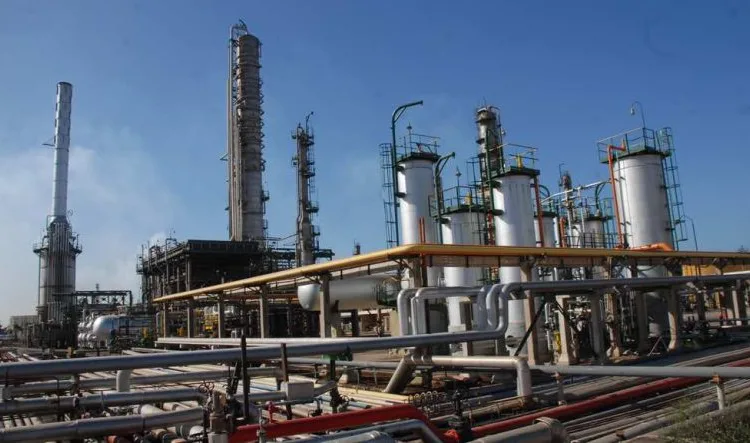
The second proposal focused on transferring Samir’s assets to state ownership, a move that reignited discussion over one of the country’s most politically sensitive economic files.
Supporters argue that restoring public control over the country’s former refinery could strengthen national fuel reserves and improve supply stability.
Opponents, including government-aligned voices, favor alternative policy options to address the company’s unresolved financial collapse and uncertain future.
The vote reflects a widening gap in political approaches to energy policy at a time when fuel costs remain a major public concern and consensus over long-term regulation remains elusive.
Earlier developments around the same legislative package had already created political tension between the government led by Prime Minister Aziz Akhannouch and parliamentary actors. The advance of several proposals without full alignment from the executive side exposed gaps in coordination over sensitive economic reforms.
The draft measures form part of a wider set of proposals that have remained under discussion for years, amid recurring differences between the government and parts of parliament over energy regulation and industrial policy.
The Samir dossier continues to surface in political debate due to its strategic weight, with differing views on how to address its financial collapse and its broader implications for national energy security.
Source: Morocco word news