

Assahafa.com
The Minister of Economy and Finance, Nadia Fettah, stated on Wednesday in Rabat that the national economy is expected to continue its upward trajectory in 2026, with an anticipated growth rate of 5.3%.
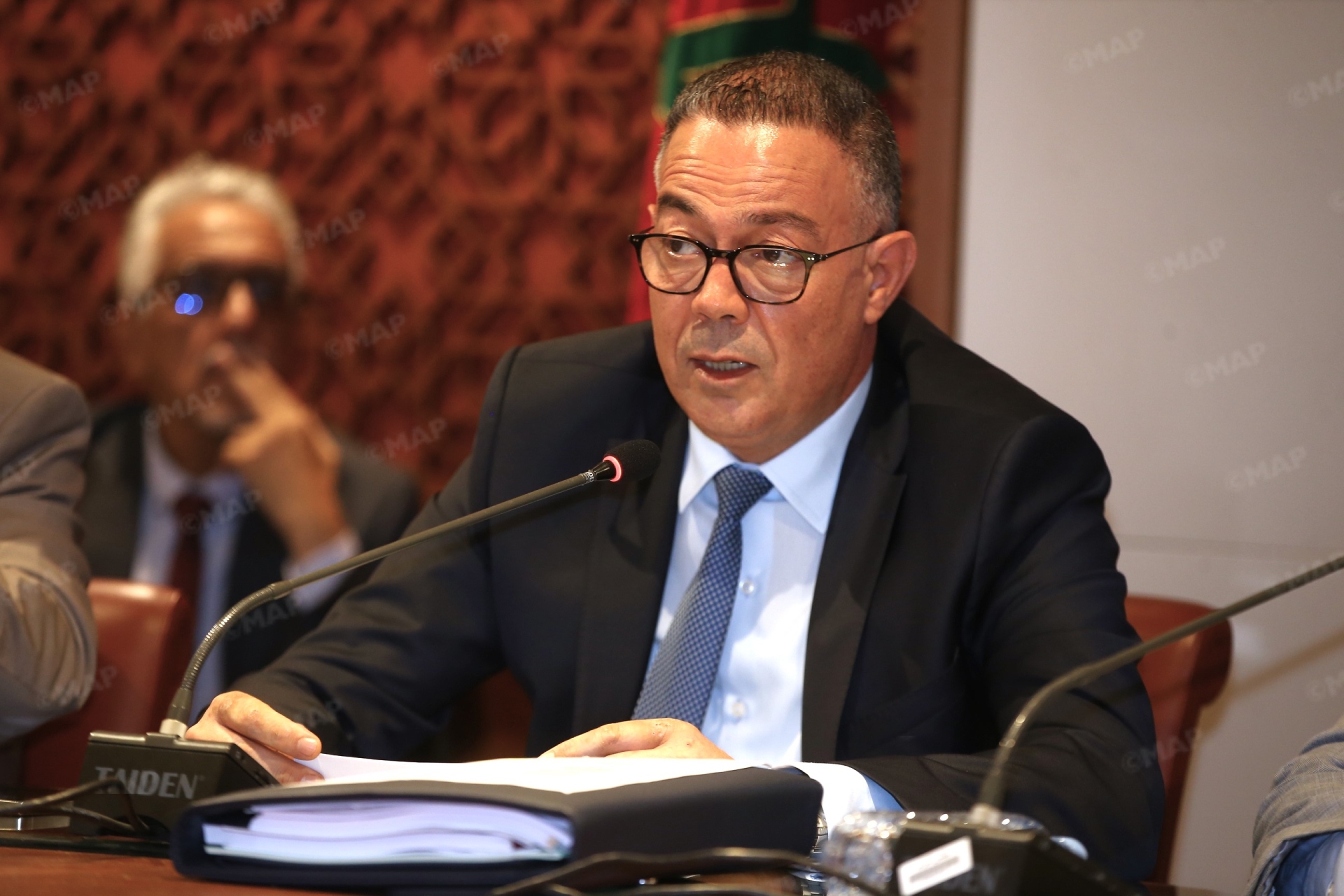
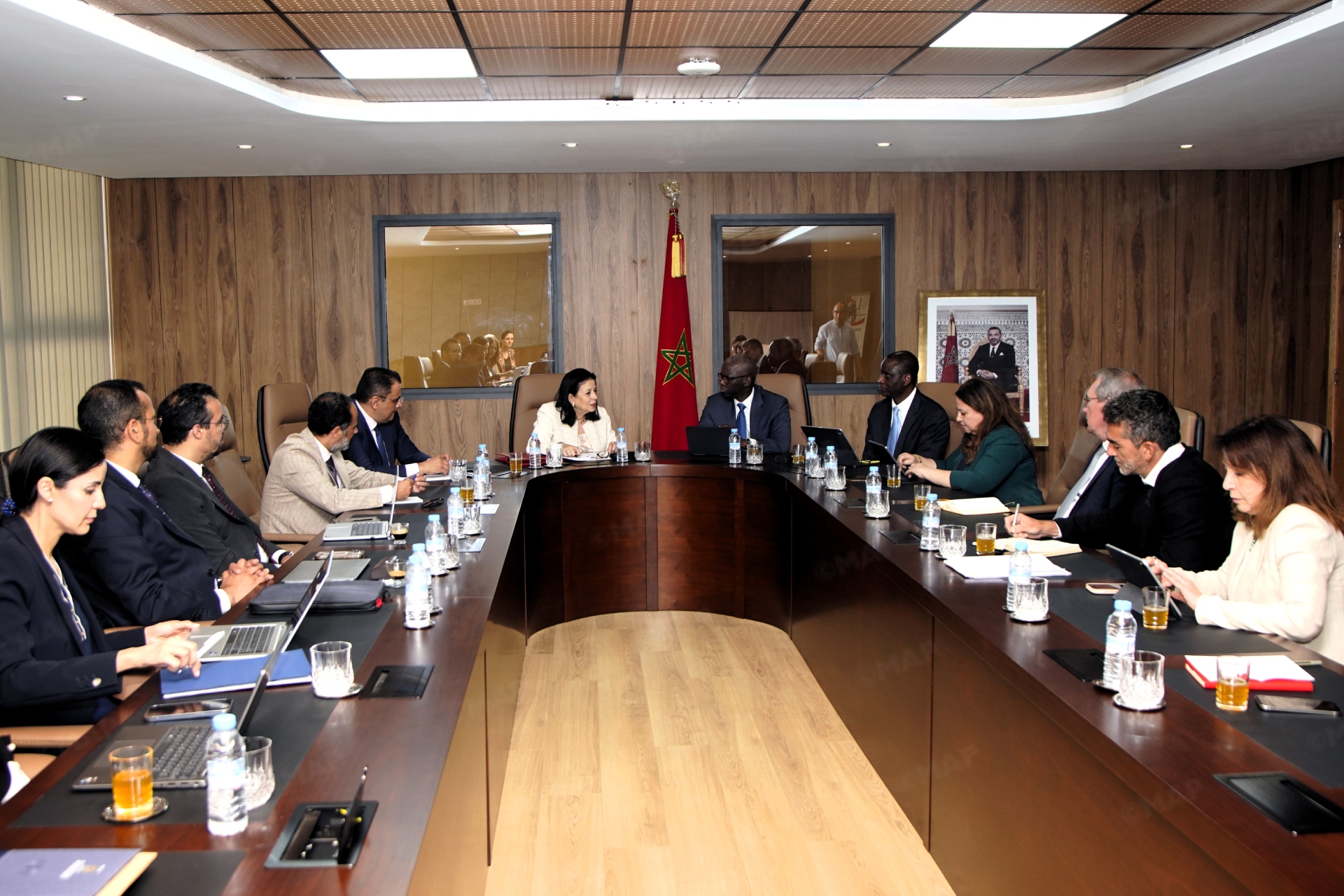
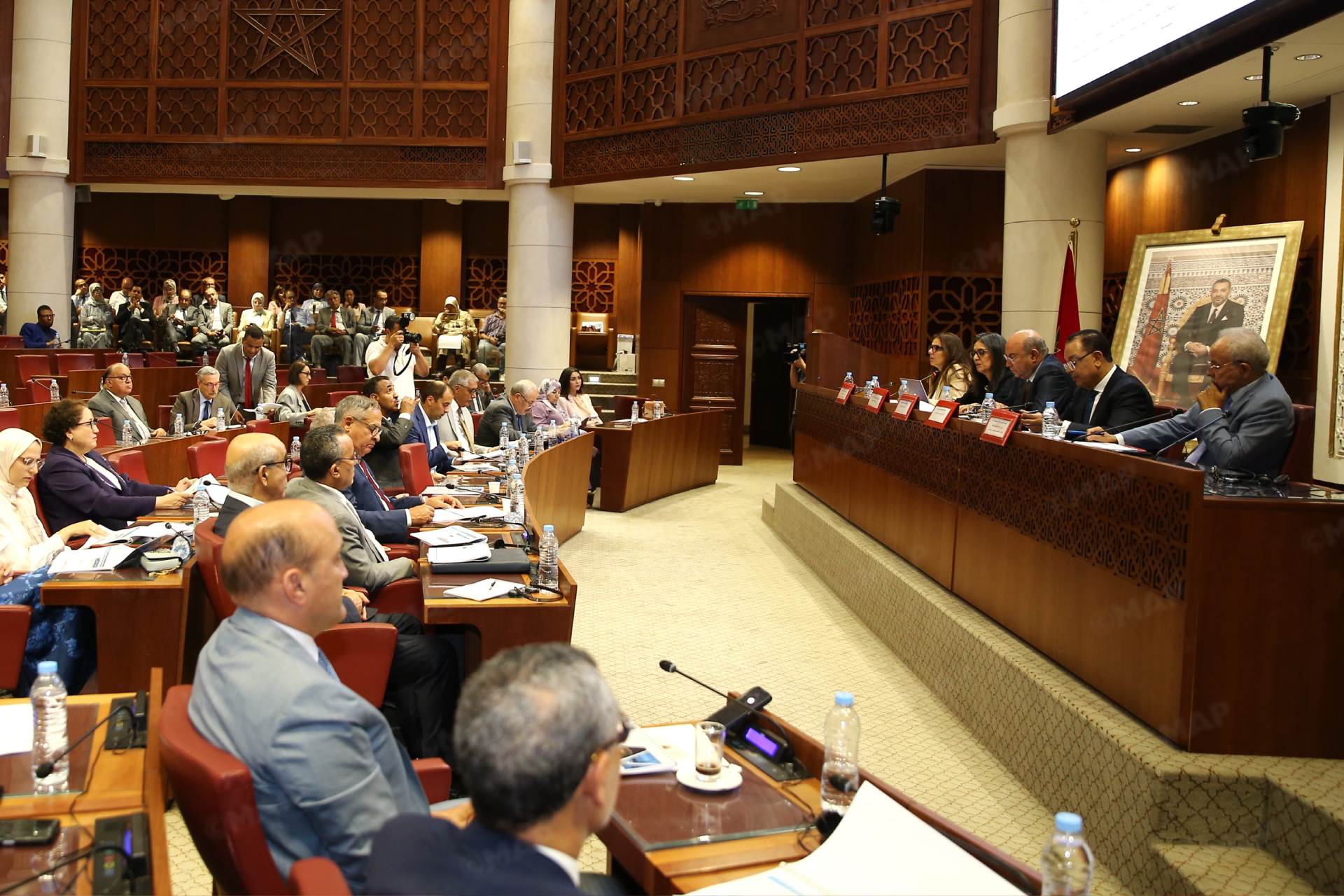
This growth is expected to be driven primarily by the government’s proactive measures and the improved performance of the agricultural sector, Fettah explained during a joint meeting of the Parliament’s Finance Committees, which was dedicated to presenting the execution of the 2026 Finance Law, the general framework for drafting the 2027 draft Finance Bill, and the 2027-2029 Triennial Budgetary Programming (PBT).
The minister highlighted that the preparation of the 2027 draft Finance Bill and the 2027-2029 PBT is taking place in a complex international context, marked by intensifying geopolitical tensions, notably the ongoing war in the Middle East and its repercussions on energy markets and supply chains.
She indicated that the 2027-2029 three-year budgetary programming is based on the continued implementation of major projects and the consolidation of the social welfare state, specifying that the government is thus projecting a growth rate of 4.1% in 2027, followed by 4.2% in 2028 and 2029.
These forecasts are based on several assumptions, notably a cereal harvest of 70 million quintals (MQx), an oil price of $70 per barrel over the next three years, a butane gas price of $500 per ton, and an inflation rate hovering around 2%, added Fettah.
Regarding the execution of the 2026 Finance Law at the end of last June, it shows a 15.4% improvement in ordinary revenues, with an increase in both tax and non-tax revenues, according to the minister.
Inflation, for its part, has returned to low levels, averaging 0.4% during the first six months of 2026, while core inflation stood at -0.1%, thanks in particular to the decline in food prices and government measures supporting purchasing power.
As for the labor market, it recorded a gradual improvement, marked by the net creation of 193,000 jobs in 2025, which helped bring the unemployment rate down to 13%, while the strict unemployment rate remained stable at 10.8% in the first half of 2026 (H1-2026), Fettah pointed out.
On the subject of foreign exchanges and macroeconomic balances, the minister noted that foreign trade maintained its momentum, with exports increasing by 5.8% to 211.4 billion dirhams at the end of May 2026, driven primarily by the automotive and aeronautics sectors.
She added that imports rose by 11.8% to MAD 370.5 billion, leading to a 20.8% widening of the trade deficit. However, she noted that remittances from Moroccans living abroad (MAD 46.2 bln) and tourism revenues (MAD 46.9 bln) contributed to covering a significant portion of this deficit.
Source: map