
Assahafa.com
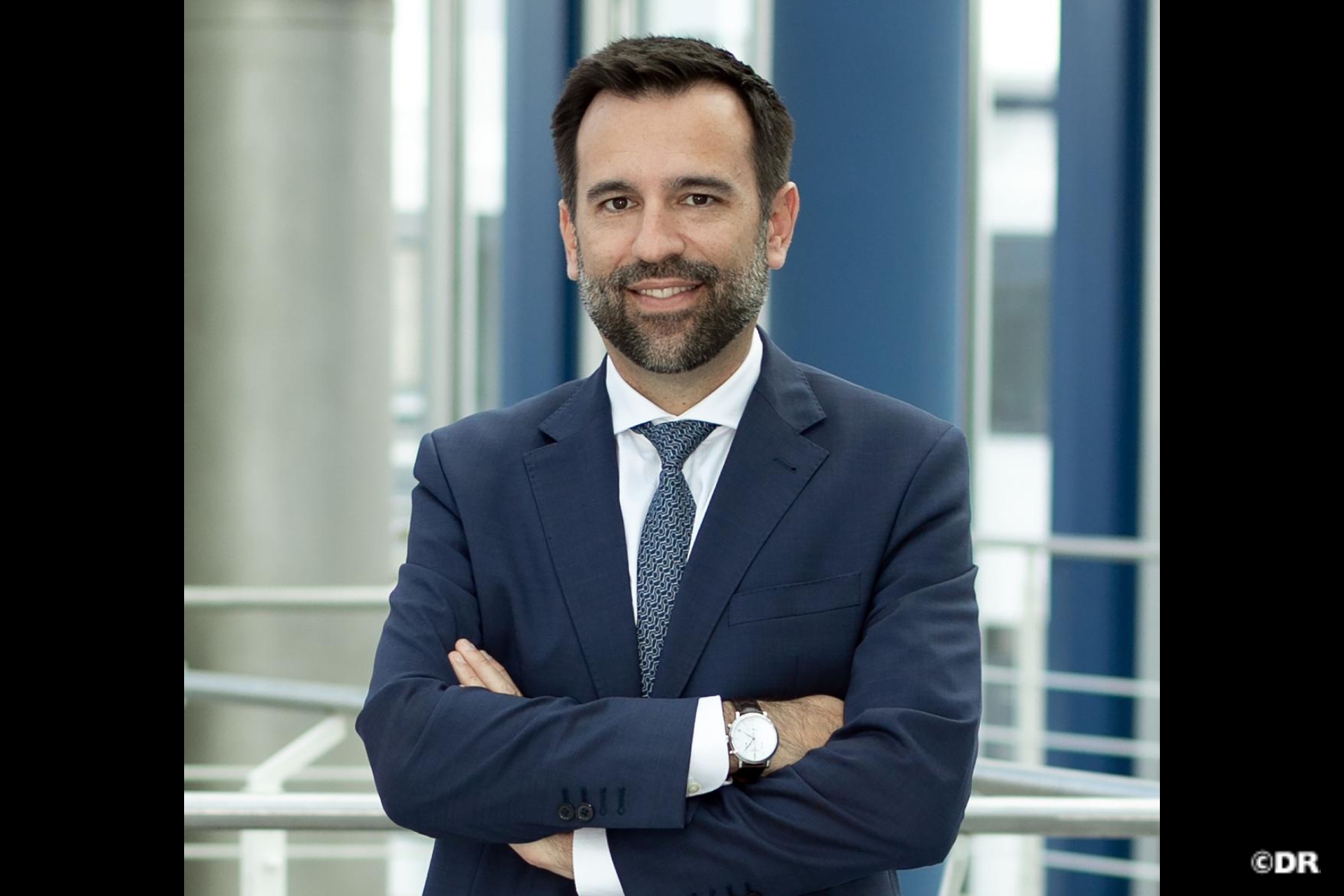
The Moroccan economy, under the leadership of His Majesty King Mohammed VI, has gradually evolved to make the Kingdom a high-tech industrial hub, particularly in the automotive and aerospace sectors, President of Airbus for Africa and the Middle East Gabriel Semelas said.
Since His Majesty’s accession to the Throne, Morocco has experienced “a historic turning point,” undergoing “a profound structural transformation” under the Sovereign’s leadership, Semelas said in an interview with MAP on the occasion of Throne Day celebrations.
According to him, Morocco’s industrial success is based on a long-term vision aligning political will with on-the-ground realities and attracting the most demanding manufacturers. Notably through the pragmatic implementation of the Industrial Acceleration Plans (PAI), the Kingdom has methodically structured specialized ecosystems in sectors such as wiring, composites, and maintenance.
“For a manufacturer like Airbus, whose investment cycles are long-term, this visibility and stability are essential assets,” he emphasized.
Semelas further noted that industrial integration, within an ecosystem-based approach, is a major driver of competitiveness. The development of specialized industrial zones, such as Midparc in Casablanca, provides operators with an environment tailored to their needs, he said.
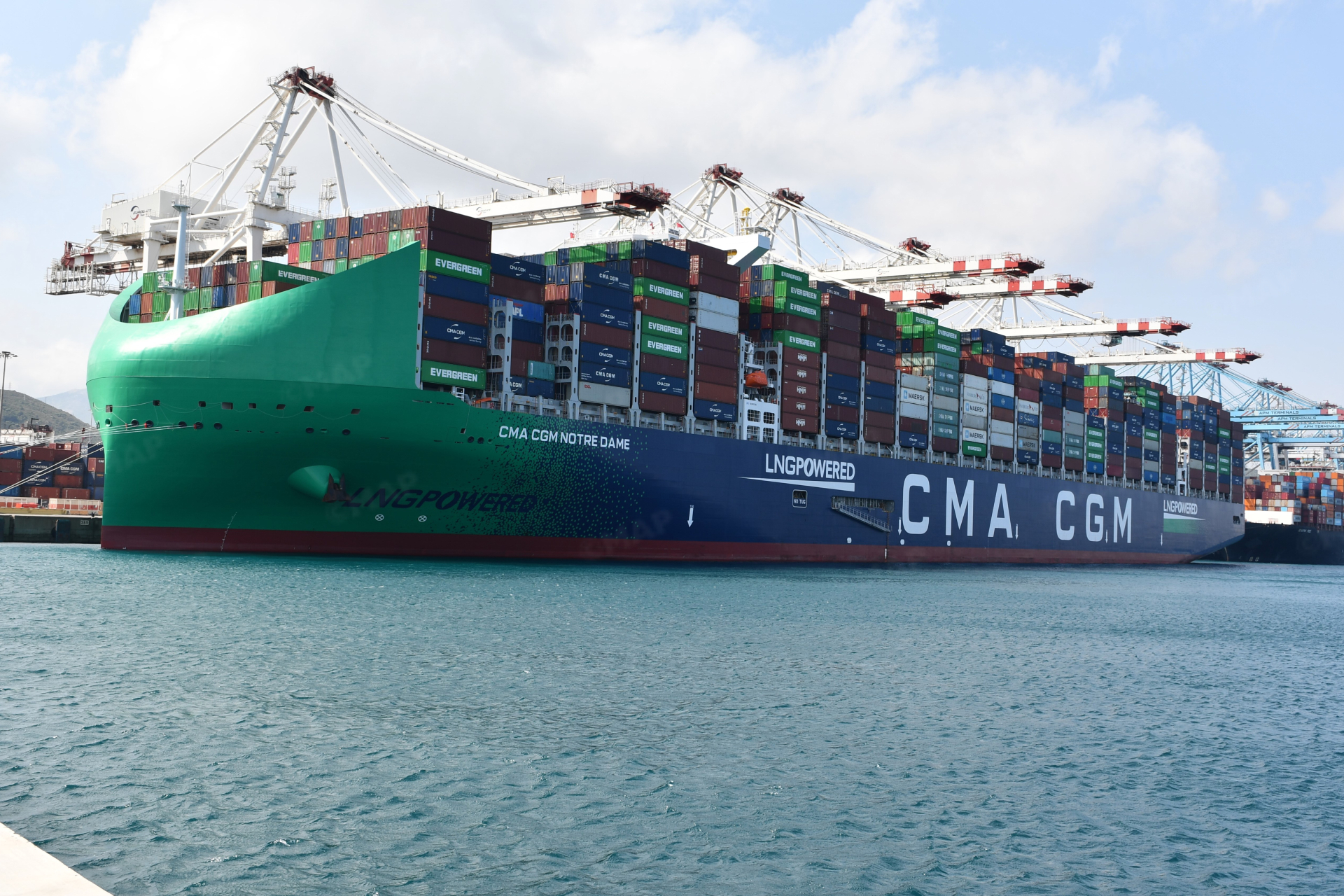
This virtuous cycle, he continued, is reinforced by strategic intermodality, driven in particular by the Tanger-Med port and the modernization of airport hubs. “Under the leadership of His Majesty the King, the Kingdom is undertaking ambitious reforms aimed at doubling its passenger capacity to 80 million passengers by 2030,” he noted.
With major international events on the horizon—including the 2030 World Cup—and against a backdrop of strong tourist appeal, this infrastructure effort confirms, for Semelas, Morocco’s position as a leading aviation hub between Europe, Africa, and the Americas, while ensuring logistical efficiency essential to its sustainable integration into global value chains.
The Kingdom’s strength also takes shape in the creation of an interconnected industrial network, he explained, noting that Morocco has not only attracted major contractors but has also fostered a dense network of international suppliers and local SMEs.
“This synergy and agility now enable the Moroccan value chain to meet the strictest quality standards in our sector,” he said.
Regarding the business climate, Semelas summed it up in trust, which translates into a solid local foothold. He highlighted a coherent and stable regulatory framework, accompanied by sector-specific incentives that allow manufacturers to manage their projects with confidence.
Human capital, in his view, is another key to this success. Thanks to institutions such as the Institute of Aeronautic Trades and a high-caliber university system, Morocco trains highly qualified professionals who meet the sector’s requirements.
The president of Airbus MENA also emphasized that Morocco serves as a bridge between Europe and Africa: its proximity to Europe ensures reliable logistics flows, improves operational efficiency, and supports environmental goals by reducing transportation distances.
As a natural gateway to Africa, he said the Kingdom also represents an ideal platform for sharing aerospace expertise and helping to shape the sector on a regional scale. This dual orientation toward both the North and the South makes it a key partner in addressing the challenges of the global market.
Semelas further noted that Morocco holds major strengths to support the transformation of global aviation. “The Kingdom is no longer merely a back-end production base: it is standing across three major pillars of tomorrow’s aviation,” he asserted.
The first pillar is resilience, as Morocco’s industrial base has showed rigor in the face of recent international crises. The second pillar is decarbonization, thanks to investments in renewable energy and the country’s potential in sustainable fuels, while the third relates to the rise of high-value-added sectors, particularly engineering, research and development, and industrial digitalization.
Under the leadership of His Majesty King Mohammed VI, “Morocco is anticipating the changes in our industry and is actively working alongside Airbus to make them a reality,” Semelas concluded.
Source: map