
Assahafa.com
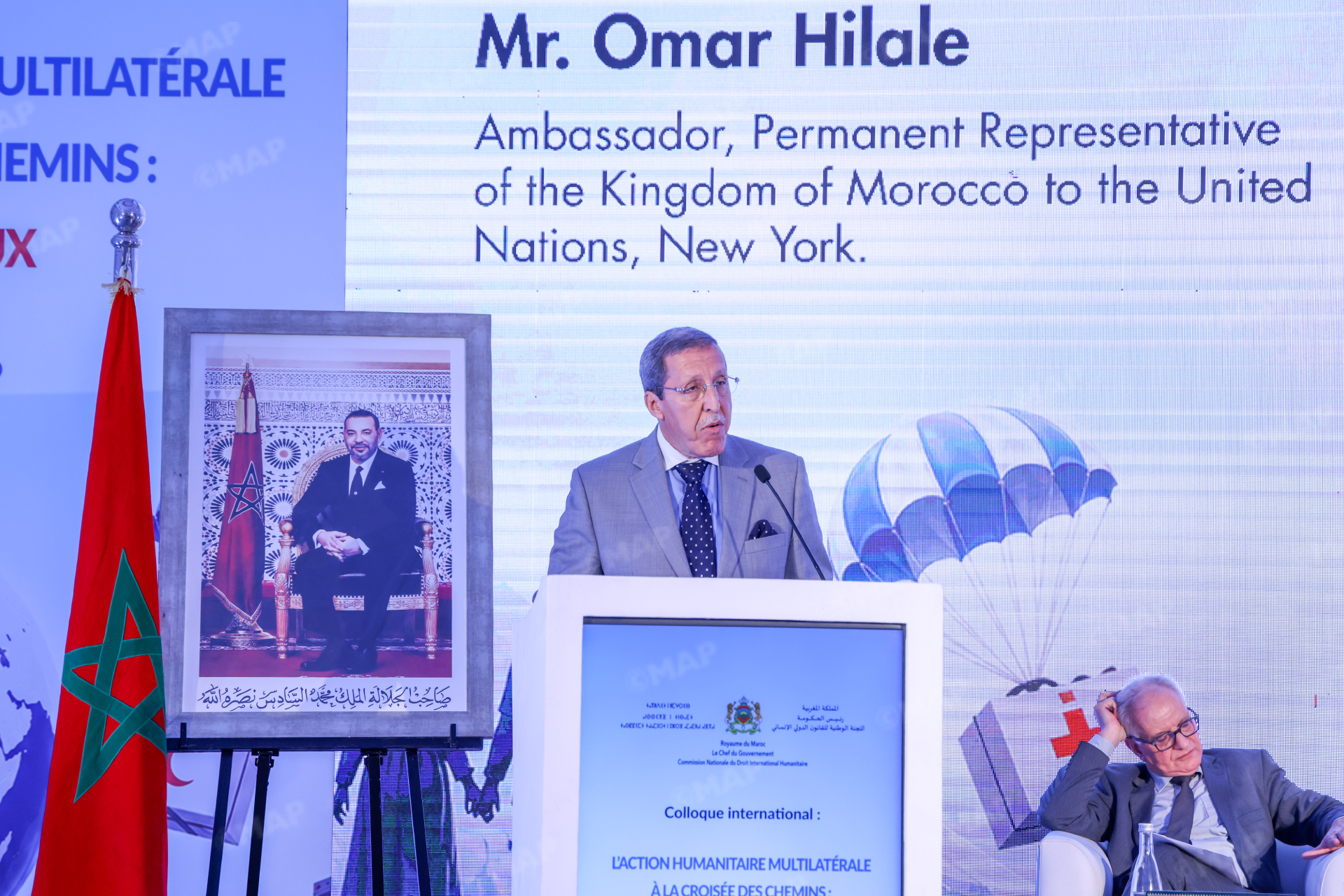
The Kingdom of Morocco’s commitment to the humanitarian field stems from the humanitarian Vision of HM King Mohammed VI, affirmed on Friday in Rabat the Ambassador and Permanent Representative of Morocco to the UN, Omar Hilale.
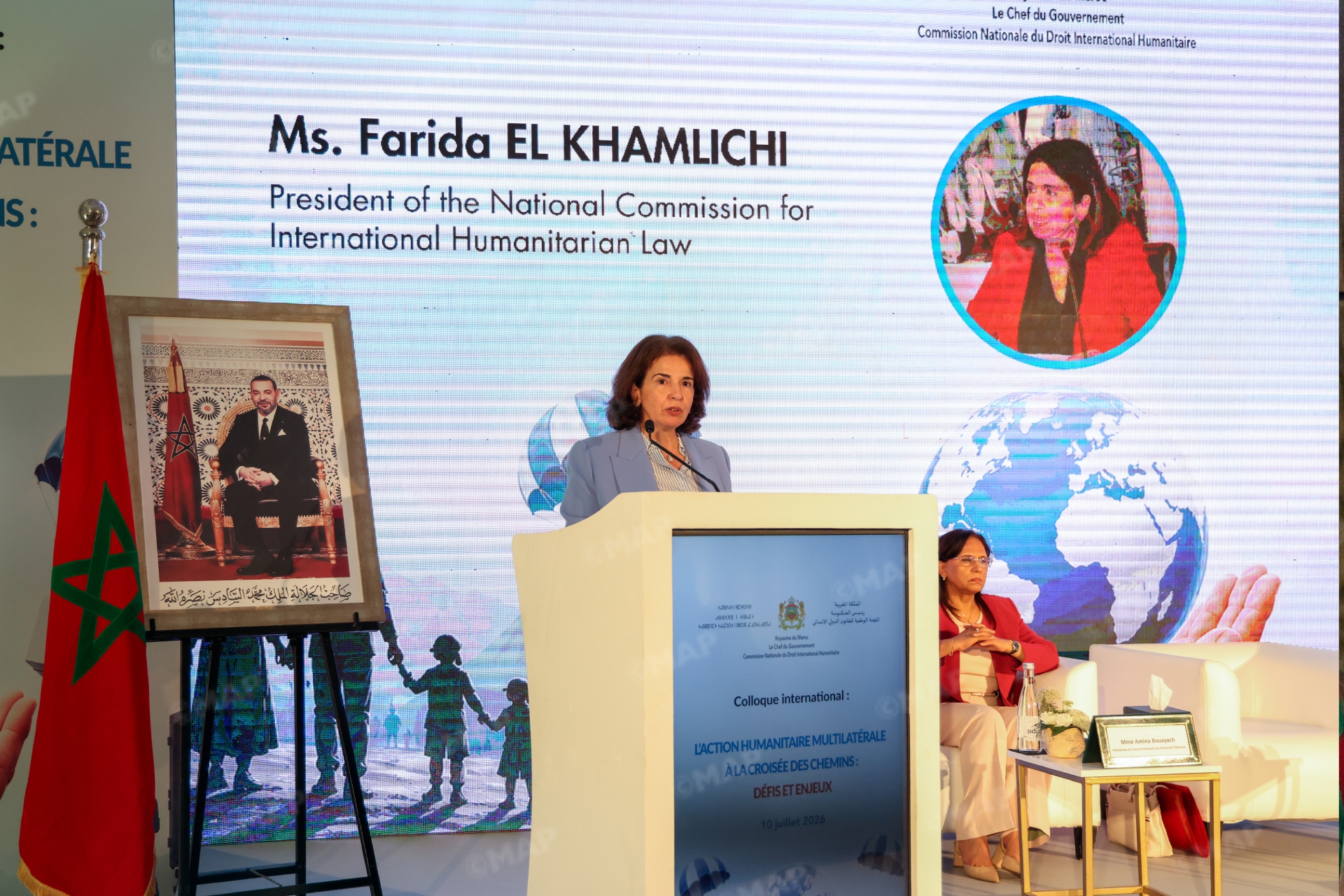
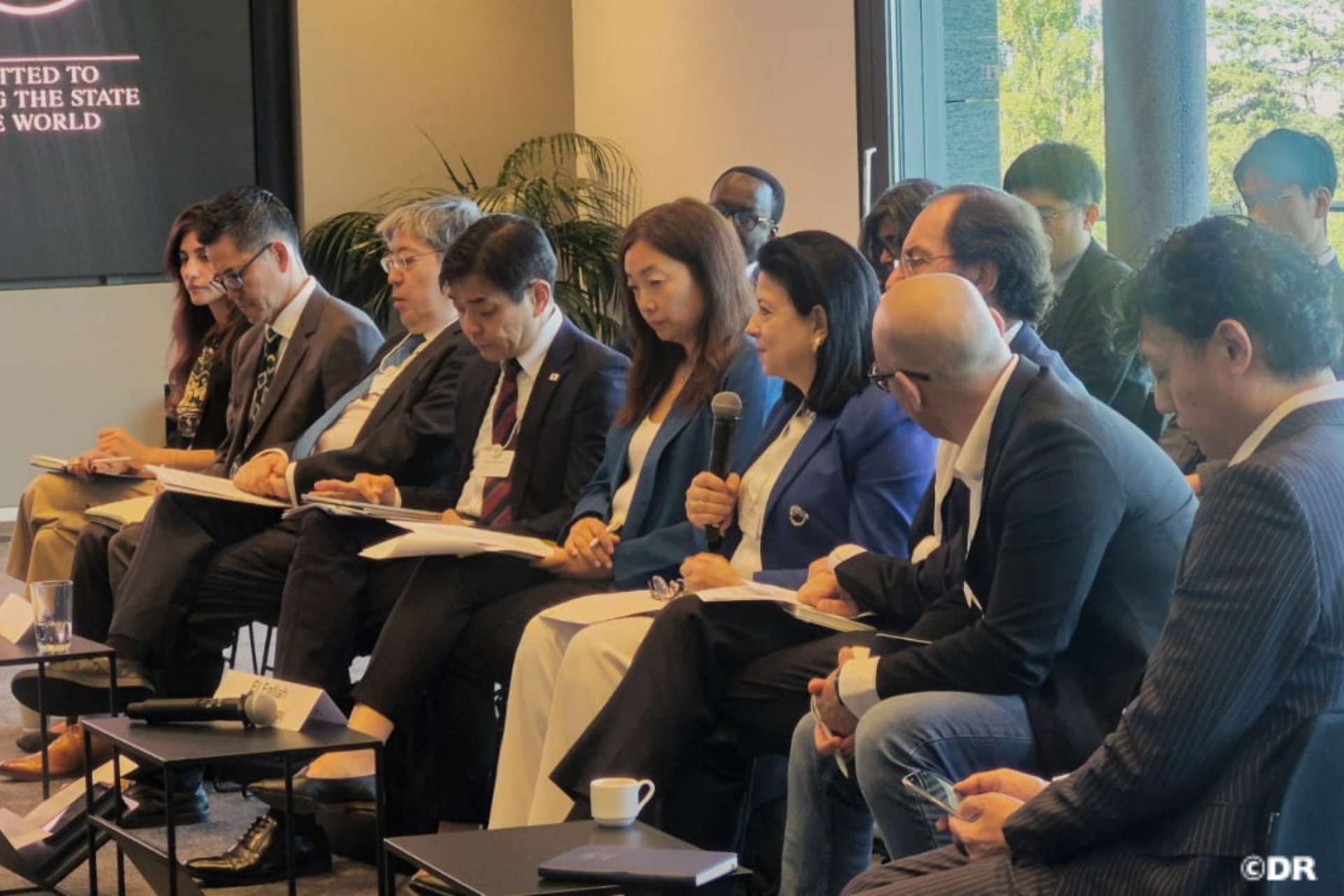
The operationalization of the Royal Vision is based on three inseparable pillars, namely: active solidarity as a cardinal value, shared responsibility as an operational principle, and respect for international humanitarian law as an absolute imperative, Hilale emphasized during the International Symposium “Multilateral Humanitarian Action at a Crossroads: Challenges and Issues.”
Recalling that the Kingdom considers the protection of civilians, essential infrastructure, and basic services to be a fundamental obligation that must be respected by all parties to conflicts, Hilale, who spoke on a panel about “Multilateral Humanitarian Action and the Stakes of Peace and Sustainable Development,” indicated that Morocco is among the most consistent and significant contributors to UN peacekeeping operations.
For decades, thousands of Moroccan peacekeepers have served under the UN flag in several crisis theaters around the world, he continued, noting that Morocco has consistently stepped up during major natural and humanitarian disasters.
Addressing humanitarian action and the sustainable development goals, Hilale stated that the Kingdom supports an integrated approach combining humanitarian assistance, reconstruction, institutional capacity building, and the promotion of sustainable socio-economic development. He noted that this vision helps reduce the risk of relapsing into instability and fosters long-term socio-economic stability.
Morocco is firmly convinced that multilateral humanitarian action, despite its current limits and shortcomings, remains an indispensable pillar of the international order, he maintained. He added that it must reform, adapt, and enrich itself with new approaches, invest more in prevention, strengthen its coherence with the objectives of peace and development, and rely on real, universal, and selfless global solidarity.
Reviewing the complex but not insurmountable challenges facing the multilateral humanitarian system, notably financing, humanitarian access, the politicization of humanitarian aid, chronic and forgotten crises, as well as the link between emergency aid and sustainable development, Hilale affirmed that the Kingdom has many assets to contribute to the collective reflection for a profound and ambitious reform of this system.
In this international context fraught with legitimate concerns, Morocco’s experience deserves particular attention due to its consistency, credibility, and deep attachment to the universal humanitarian principles of solidarity and respect for human rights, he emphasized. He added that the Kingdom’s experience in the fields of mediation, South-South cooperation, human development, and humanitarian assistance allows it to make a significant contribution to the evolution of the international humanitarian system.
Welcoming the holding of this major event, which brings together national and international actors, experts, academics, and decision-makers around a theme of absolute acuity and urgency, Hilale noted that the chosen theme is at the heart of Morocco’s diplomatic identity and constant humanitarian action.
Source: map