

Assahafa.com
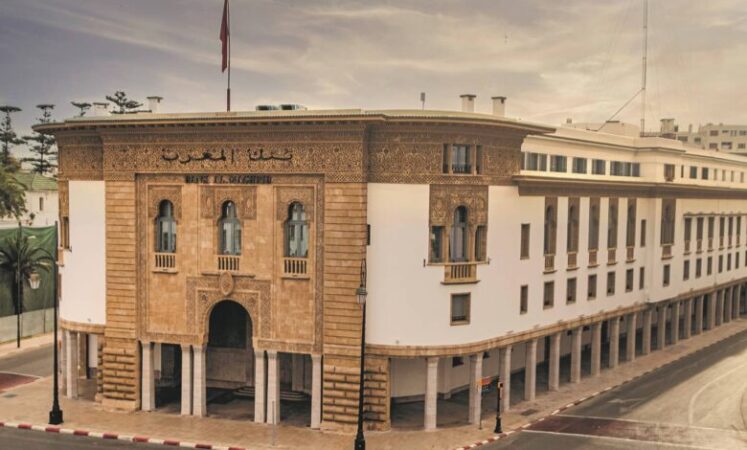
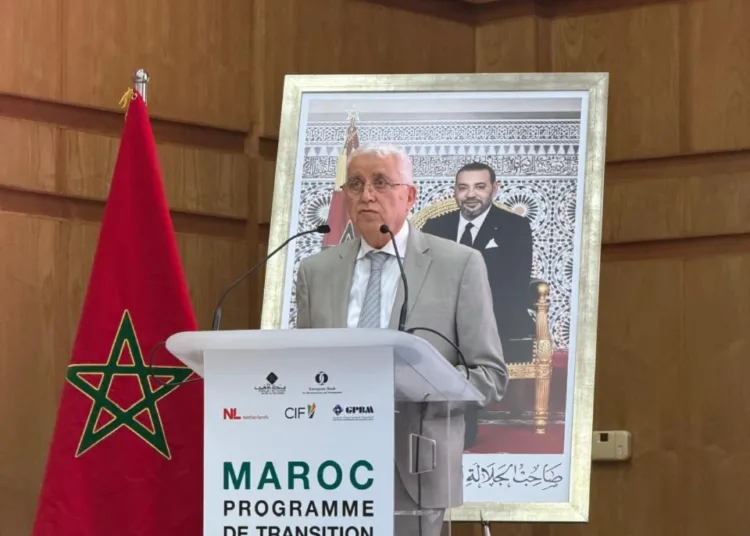
Bank Al-Maghrib (BAM) and the European Bank for Reconstruction and Development (EBRD) concluded a program aimed at strengthening Moroccan banks’ resilience in an increasingly volatile environment.
Launched in 2022, the program addresses growing climate-related pressures, including droughts and variability, that continue to strain key sectors such as agriculture and energy, both heavily exposed to bank financing.
Bank Al-Maghrib Director General Bouazza Abderrahim outlined the urgency in clear terms, pointing to a rapidly changing global context. “We are currently operating in a highly unpredictable environment, marked by climate disruption, geopolitical tensions, and regulatory volatility,” he said.
This context, he stressed, places new responsibilities on financial authorities and institutions alike, stating that “it is our responsibility, as a central bank and supervisory authority, to ensure that banks effectively manage risks, including those arising from climate change.”
The program was implemented with support from Frankfurt School of Finance & Management and RINA Consulting, providing Moroccan banks with technical and strategic tools to better identify, assess, and mitigate climate-related risks.
Abderrahim emphasized the importance of this effort, noting that the capacity-building program “covered several modules on climate risk management and climate transition.”
“Today, climate risk management is recognized by banks as both a prudential and economic issue,” Abderrahim said, warning that “the absence of a methodological framework… could expose them to significant losses on assets sensitive to these risks.”
In response, Bank Al-Maghrib has introduced a regulatory framework requiring banks to progressively integrate climate risks into governance and risk management processes.
“We continue to work to strengthen this framework and adapt it in light of experience gained and evolving climate practices,” he added.
The initiative is part of Morocco’s broader strategy to develop climate finance by 2030, aimed at fostering coordination between regulators, financial institutions, and public authorities.
According to Abderrahim, “the national strategy for the development of climate finance by 2030 provides an appropriate framework for dialogue… to encourage the economic fabric to engage in the transition toward decarbonized projects.”
The recent events Morocco has witnessed, including the floods in the country’s northern provinces, consecutive years of drought, and the 2023 Al Haouz earthquake, have shown physical risks that reinforce the need for the integration of more entities like banks.
Source: Morocco word news